How Self-Driving Cars Are Reshaping Urban Mobility
Key Takeaways
- Self-driving cars are operational in multiple cities, influencing urban design and transportation.
- AVs offer potential benefits, such as reduced traffic congestion and enhanced safety, but also pose challenges, such as increased urban sprawl.
- Effective integration of AVs requires thoughtful urban planning and updated infrastructure.
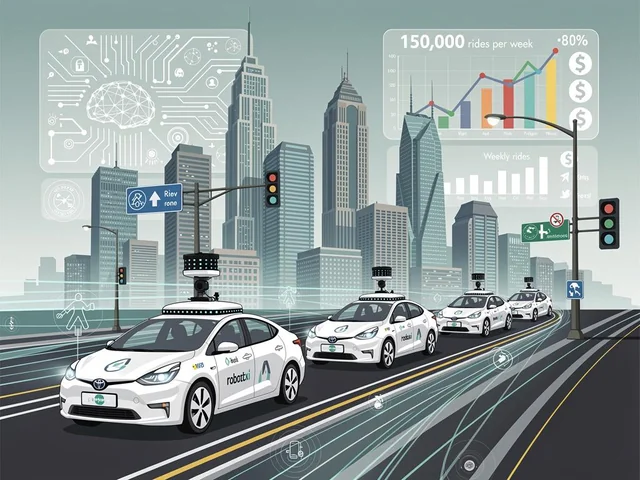
Self-driving cars are no longer a futuristic concept. They are here today, navigating our city streets and fundamentally reshaping how people move through urban spaces. As more cities embrace this technology, autonomous vehicles (AVs) are dramatically changing how transportation is designed and managed. Integrated efforts from city planners, technology companies, and brands that develop robotaxi fleets are charting a new course for urban life. As a result, questions about infrastructure, public safety, and city planning are taking center stage in the discussion about the future of mobility.
The rapid adoption of AVs in bustling urban centers has sparked discussion not only about their benefits but also about the challenges they pose. From reducing human-driven traffic incidents to raising new issues like potential urban sprawl, autonomous vehicles demand careful consideration from both policymakers and residents. As technology advances, a thoughtful approach to integrating self-driving cars will determine how effectively cities can balance progress with the daily realities of urban living.
Current State of Self-Driving Cars
Autonomous vehicles have progressed far beyond their early experimental stages and are increasingly becoming part of daily life in several American cities. In some regions, self-driving ride-hailing services have been introduced following extensive route mapping, testing, and collaboration with local authorities, highlighting the importance of public-private cooperation in advancing transportation innovation. Many of these fleets utilize modern electric vehicles and are promoted as a way to enhance road safety while supporting efforts to modernize urban mobility. Government leaders have often recognized these initiatives as opportunities to improve transportation systems while addressing public safety priorities. However, the expansion of autonomous technology has not been without challenges, as technical issues and unexpected driving behaviors in certain cities have prompted ongoing discussions about the pace and readiness of widespread adoption.
Across the country, driverless transportation services now facilitate a substantial number of trips each week in multiple metropolitan areas. Their rollout typically begins with detailed mapping efforts and carefully monitored pilot programs before expanding to broader operations, reflecting a measured approach to integrating autonomous technology into the complexities of city streets. The ability of these vehicles to function throughout the day in busy urban environments demonstrates their growing role within modern transportation networks. Even so, safety advocates, researchers, policymakers, and residents continue to closely evaluate their performance, emphasizing the need for continuous refinement, transparency, and improvements as autonomous mobility evolves.
Impact on Urban Design
The widespread adoption of self-driving cars is catalyzing a significant transformation in urban design. With fewer people expected to own personal vehicles, city officials and planners are reevaluating the necessity for large parking structures and surface lots. In many cities, there is now a push to reclaim these areas and convert them into parks, pedestrian plazas, or commercial spaces, a move that could greatly enhance livability and encourage more foot traffic in urban cores. Planners are envisioning cities with wider sidewalks, green corridors, and dedicated lanes for autonomous transit, enabling more flexible, dynamic use of public space.
However, the efficiency and comfort of AVs may also carry unintended consequences. Experts warn that people might be more willing to live farther away from city centers, encouraged by longer, more productive, or more restful commutes. This shift could foster increased urban sprawl, driving up infrastructure costs and stretching public services thinner. Proactive planning and policies are needed to strike a balance between newfound flexibility and sustainable growth. According to The New York Times, cities worldwide are watching how AVs impact not only the immediate built environment but also long-term urban form and density.
Traffic Congestion and Safety
The potential for self-driving cars to alleviate traffic congestion and improve safety is a major driver of their rapid implementation. In theory, autonomous vehicles can operate with a higher degree of coordination than human drivers, minimizing stop-and-go traffic and smoothing out rush-hour peaks. Automated convoys, vehicle-to-vehicle communication, and advanced algorithms can help optimize traffic flow, enabling vehicles to anticipate and adapt to road conditions in real time.
Nevertheless, researchers have found that the adoption of ride-hailing services, many of which plan to deploy AV fleets, has sometimes exacerbated congestion in major cities. One study in Boston found that increased convenience led to more short trips, even when mass transit options were available. This finding suggests that the overall impact of AVs on traffic will depend heavily on how they are integrated with public transportation and how cities incentivize responsible use. Traffic safety remains a central concern, with AV proponents pointing to reductions in traffic fatalities as a key measure of success. Resources like U.S. News & World Report continue to scrutinize and analyze safety data for autonomous systems in various environments.
Public Perception and Adoption
Adoption of autonomous vehicles depends heavily on public trust. Many people are excited by the possibilities of safer roads and reduced commuting stress. In contrast, others remain deeply skeptical due to concerns about system failures, hacking, and questionable decision-making in unpredictable situations. Incidents such as accidents or software glitches have fueled public anxiety, highlighting the critical role of transparency and education.
Companies and municipal governments must work together to deliver clear communication about the safety strategies, testing processes, and regulatory oversight undergirding AV deployment. Addressing public fears through demonstrations, outreach programs, and access to real-world ride experiences is vital for increasing comfort and acceptance among urban residents. The path to full adoption will likely be gradual, with incremental progress as technology and policy evolve together.
Policy and Regulation
The rise of self-driving cars is pushing cities and states to reconsider traditional policies and update outdated codes. Municipalities are pioneering new approaches to zoning, street design, and mobility management. In Chandler, Arizona, for example, local leaders have amended regulations to reduce minimum parking requirements in favor of curbside passenger loading zones designed to accommodate AV pickup and drop-off. Such foresighted policies ensure that AV operations run smoothly and safely while also simplifying the transition for new residents.
Some cities have established committees or working groups dedicated to studying AV impacts, while others participate in pilot projects that inform broader regulatory action. The need for consistent, evidence-based policy is paramount as AV technology advances, as it sets standards for safety, accessibility, and urban integration. City planners are also using these pilot programs to correct past planning mistakes and to focus on more sustainable urban mobility solutions for the coming decades.
Future Outlook
The outlook for self-driving cars in urban environments is both optimistic and complex. Over the next decade, cities that invest in strategic infrastructure and embrace adaptive policies will have the opportunity to reap the full benefits of AVs. These benefits could include less traffic, safer roads, more walkable spaces, and a higher quality of urban life. At the same time, challenges such as potential increases in sprawl and the need for constant technological updates remain pressing concerns.
Looking ahead, successful cities will be those that remain agile, proactively responding to the evolving capabilities of self-driving technology. Ongoing collaboration between public and private sectors, informed policy, and a clear focus on the needs of city residents will guide the effective integration of autonomous vehicles. As the journey continues, maintaining this careful balance will ensure that urban mobility is both smarter and more sustainable in a rapidly changing world.