The Role of Clamp Meters in Industrial Instrumentation
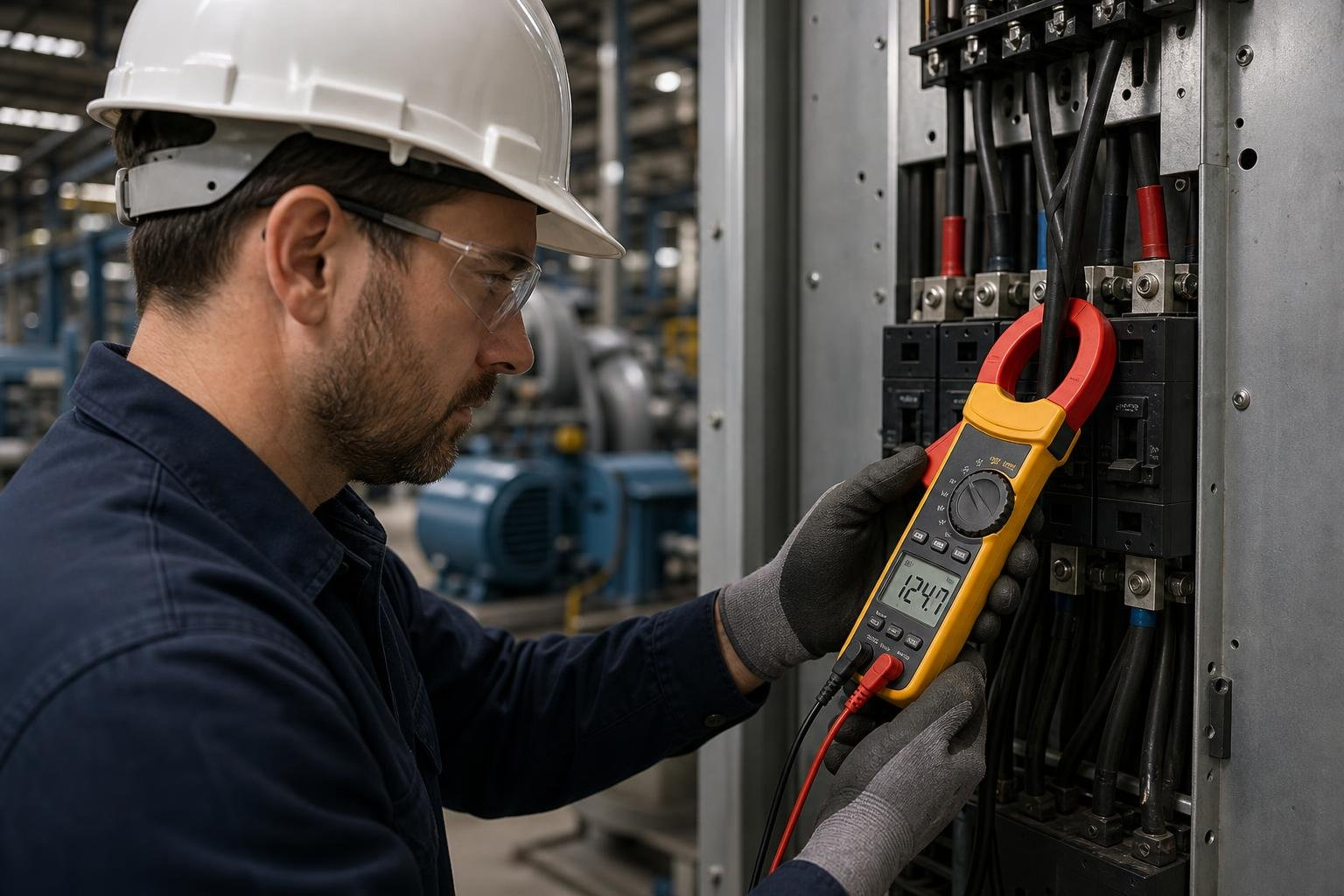
In the demanding environment of industrial operations, precise electrical measurements are not just helpful—they are essential. Accurate current readings are key to maintaining system reliability, ensuring operational safety, and optimizing equipment performance. Selecting the right tool for this critical task, especially a professional current clamp meter, directly impacts diagnostic efficiency and overall workflow.
With many advanced options available in July 2026, understanding the specifics of these meters is crucial. They represent a vital component of modern electrical measurement, complementing traditional methods across both digital and analog instrumentation.
We will explore the factors that define the best current clamp meter for industrial use. We will cover everything from how they work and key features to look for, to safety ratings and advanced functionalities. Our goal is to provide a comprehensive guide to help you choose the ideal clamp meter for your professional needs.
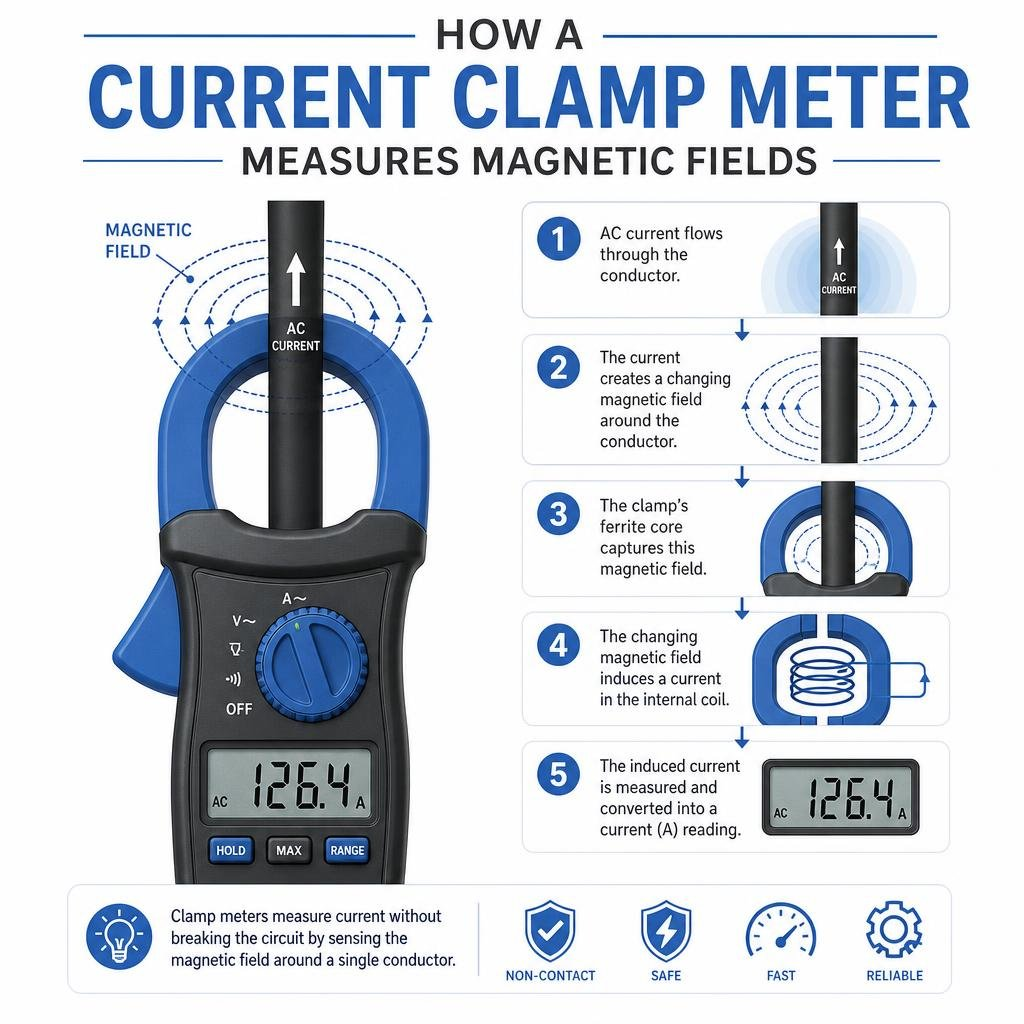
A current clamp meter is a specialized electrical test instrument that combines a basic digital multimeter with a current sensor. Its primary function is to measure electrical current without making physical contact with the conductor, avoiding the need to break the circuit. This non-invasive method significantly enhances safety and efficiency in industrial settings.
The fundamental principle behind a clamp meter’s operation involves magnetic induction for alternating current (AC) and the Hall effect for direct current (DC). For AC measurements, the clamp’s jaws, typically made of ferrite, form a magnetic core around the conductor. As AC flows through the conductor, it generates a fluctuating magnetic field, which induces a proportional current in a secondary coil within the clamp. This induced current is then measured and converted into an amperage reading.
For DC measurements, a different technology is employed. DC current creates a static magnetic field, which cannot be measured by simple induction. Instead, DC clamp meters utilize a Hall effect sensor positioned within the clamp’s jaws. This sensor detects the strength and direction of the magnetic field generated by the DC current, allowing for accurate measurement. The integration of both AC and DC measurement capabilities makes modern clamp meters incredibly versatile for various industrial applications, from troubleshooting motor drives to diagnosing battery systems.
In industrial environments, where high currents and complex electrical systems are commonplace, the ability to quickly and safely measure current is invaluable for preventive maintenance, system diagnostics, and ensuring operational continuity.
Understanding Clamp Meters vs. Multimeters in Industrial Instrumentation
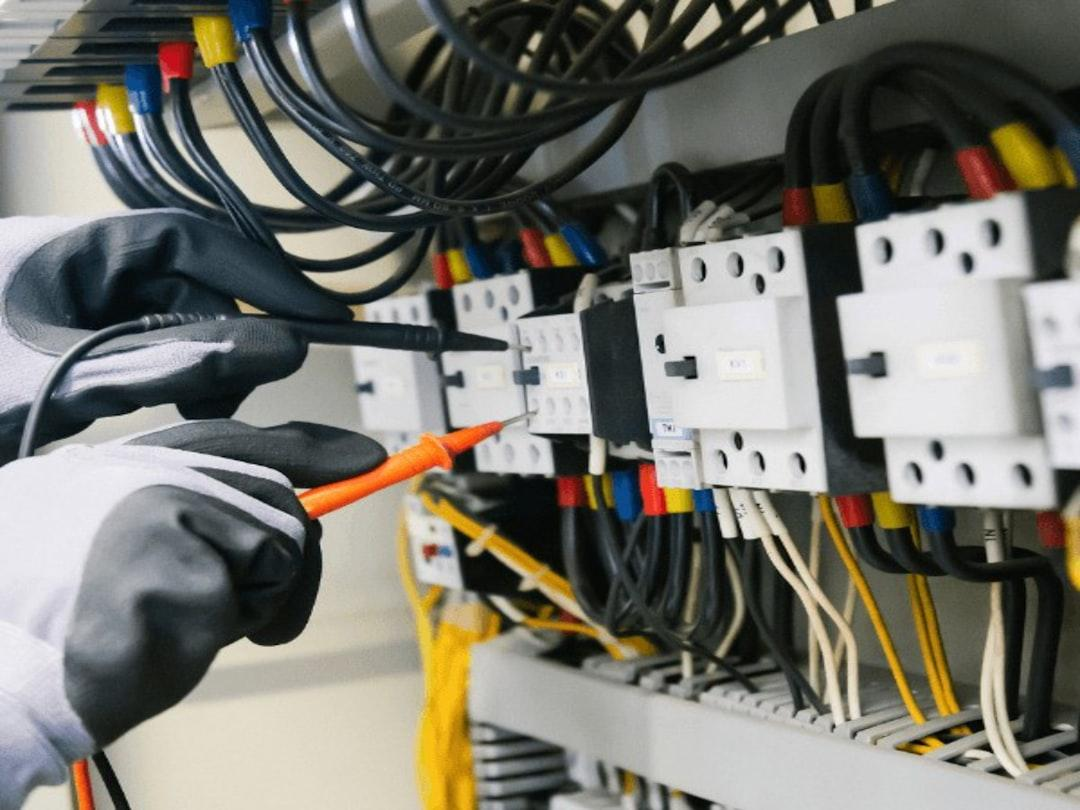
While both clamp meters and multimeters are essential tools for electrical measurements, they serve distinct purposes and excel in different scenarios. A traditional multimeter is primarily designed for precise measurements of voltage, resistance, and continuity, often requiring direct contact with the circuit and, for current measurements, breaking the circuit to insert the meter in series. This method, while accurate for low currents, can be impractical, time-consuming, and potentially hazardous in high-current industrial applications.
Clamp meters, on the other hand, are specifically engineered for non-intrusive current measurement. Their unique clamping mechanism allows technicians to measure current by simply encircling a conductor, eliminating the need to de-energize or disconnect the circuit. This capability is a significant advantage in industrial settings where downtime is costly and safety is paramount. When dealing with high currents, the safety benefit of not having to break the circuit cannot be overstated.
However, it’s important to note that while many modern clamp meters also offer voltage testing, resistance, and continuity functions, their current measurement accuracy, especially at very low milliamp levels, may not match that of a dedicated multimeter. Therefore, the choice between a clamp meter and a multimeter often depends on the primary measurement task. For routine current checks in live industrial circuits, a clamp meter is the tool of choice. For precise, low-current diagnostics or detailed voltage and resistance troubleshooting, a high-quality multimeter might be more suitable, or a combination of both tools may be required.
How True RMS Technology Enhances Industrial Instrumentation Accuracy
In industrial electrical systems, the nature of electrical waveforms is often far from ideal. Traditional electrical theory often assumes perfect sinusoidal waves, but in reality, many modern loads, such as variable speed drives (VFDs), computers, LED lighting, and uninterruptible power supplies (UPS), introduce non-linear loads. These non-linear loads distort the current and voltage waveforms, creating harmonics that deviate significantly from a pure sine wave.
Standard, or “average-sensing,” clamp meters are designed to accurately measure pure sinusoidal AC waveforms. When confronted with distorted waveforms, these meters can provide readings that are significantly inaccurate, sometimes by as much as 40% or more. This inaccuracy can lead to misdiagnoses, incorrect load calculations, and potentially dangerous situations due to overloaded circuits that appear to be operating within limits.
This is where True RMS (Root Mean Square) technology becomes indispensable. A True RMS clamp meter accurately measures the effective heating value of an AC waveform, regardless of whether it’s a pure sine wave or a complex, distorted one. By calculating the true RMS value, these meters provide a much more accurate representation of the actual power being consumed or delivered. This capability is critical for troubleshooting, maintenance, and system design in industrial environments where harmonic distortion is prevalent. For technicians working with VFDs, motor controls, and other non-linear loads, a True RMS clamp meter is not just a preference, but a necessity for ensuring instrumentation accuracy and making reliable decisions about system performance and safety.
Key Features and Specifications for Selecting a Clamp Meter
Choosing the best current clamp meter for industrial applications involves evaluating several key features and specifications to ensure it meets the demands of the job.
- Jaw Size:The physical opening of the clamp’s jaws dictates the maximum conductor size it can encircle. Industrial applications often involve large cables or busbars, so a meter with a sufficiently wide jaw opening (e.g., 1.5 inches or 40mm, or even larger) is crucial.
- Current Range:Consider the maximum current you expect to measure. Industrial systems can range from hundreds to thousands of amps. Many professional clamp meters offer ranges up to 1000A AC/DC, with some models extending to 2500A AC with flexible current probes (iFlex).
- Low-Current Accuracy:While clamp meters excel at high current measurements, measuring very low current values (e.g., in milliamps) can be challenging. Some meters offer better resolution and accuracy in lower ranges. For improving low-current readings, a common technique involves wrapping the conductor around the jaw multiple times and then dividing the displayed reading by the number of wraps. This effectively amplifies the magnetic field for the meter to detect.
- AC-only vs. AC/DC Clamp Meters:This is a fundamental distinction based on the types of circuits you’ll be working with.
Here’s a comparison:
Feature/Type AC-only Clamp Meters AC/DC Clamp Meters Measurement Principle Magnetic Induction Magnetic Induction (AC) & Hall Effect Sensor (DC) Primary Use AC circuits, motors, lighting, single-phase power AC and DC circuits, battery systems, automotive, solar, VFDs Complexity Simpler design More complex internal circuitry Cost Generally less expensive Generally more expensive Versatility Limited to AC measurements Highly versatile for both AC and DC applications DC Zero Function Not applicable Essential for accurate DC measurements (to remove offset) For comprehensive industrial use, an AC/DC clamp meter is generally recommended due to the increasing prevalence of DC systems and variable frequency drives that produce complex waveforms.
Safety Standards and CAT Ratings for Industrial Environments
Safety is paramount when working with electrical systems, especially in high-energy industrial environments. Clamp meters, like all electrical test equipment, must adhere to stringent safety standards, primarily defined by their Category (CAT) ratings. These ratings indicate the meter’s ability to withstand transient overvoltages and protect the user from electrical hazards.
The International Electrotechnical Commission (IEC) defines four main measurement categories:
- CAT I:Used for measurements on protected electronic circuits, typically low-voltage and low-energy.
- CAT II:For measurements on circuits directly connected to the low-voltage installation, such as household appliances, portable tools, and wall outlets.
- CAT III:Applies to measurements on fixed installations, such as distribution panels, circuit breakers, wiring, and industrial equipment. This category implies exposure to higher transient voltages.
- CAT IV:Designed for measurements at the source of the low-voltage installation, including utility service entrance, electricity meters, and outside lines. This is the highest level of protection, indicating resistance to very high transient voltages.
For industrial applications, a clamp meter with at least a CAT III 600V or CAT III 1000V rating is typically required. Many professional-grade meters will also feature a CAT IV 600V rating, which provides an even higher level of protection when working on the main service entrance or other utility-level installations. These ratings are crucial because transient voltages—sudden, short-duration spikes in voltage—can occur in industrial power systems due to lightning strikes, motor starts, or capacitor bank switching. A meter with an inadequate CAT rating could fail catastrophically during such an event, posing a severe risk to the user. Always verify the clamp meter’s safety ratings and ensure they match or exceed the requirements of the electrical environment you will be working in.
Advanced Connectivity and Wireless Workflows
The landscape of industrial instrumentation is continually evolving, with advanced connectivity features transforming how technicians perform measurements and manage data. Modern clamp meters often incorporate wireless capabilities, significantly improving workflow efficiency, safety, and data management.
One of the most impactful advancements is wireless connectivity, typically via Bluetooth. This allows the clamp meter to communicate with a smartphone, tablet, or PC, enabling remote monitoring of live measurements. Technicians can take readings from a safe distance, away from energized equipment or hazardous areas, greatly enhancing personal safety. This is particularly beneficial when working in confined spaces, at heights, or on high-voltage systems.
Beyond remote viewing, wireless connectivity facilitates data logging. Measurements can be automatically recorded and stored on a connected device, eliminating the need for manual transcription and reducing the risk of errors. This logged data can then be easily analyzed, trended, and integrated into preventive maintenance programs. For instance, monitoring current draw over time can help identify impending equipment failures before they lead to costly downtime.
Some advanced clamp meters also offer integration with other diagnostic tools. For example, certain models can wirelessly connect with thermal imaging cameras, allowing technicians to correlate electrical current measurements with thermal patterns. This combined data provides a more comprehensive view of equipment health, helping to pinpoint issues like overloaded circuits or loose connections that manifest as both high current and elevated temperatures. The ability to capture and share this rich data directly from the field streamlines reporting, collaboration, and decision-making, making wireless and connected clamp meters indispensable tools for modern industrial maintenance.
Calibration and Maintenance of Electrical Test Equipment
Ensuring the long-term accuracy and reliability of electrical test equipment, especially professional clamp meters, hinges on a robust program of calibration and maintenance. Like any precision instrument, clamp meters are susceptible to calibration drift over time due to factors such as aging components, environmental conditions (temperature, humidity), and mechanical stress from regular use.
Regular calibration is the process of comparing the meter’s readings against a known, highly accurate standard. This verification ensures that the meter continues to provide measurements within its specified accuracy tolerances. For industrial applications, it is often critical that calibration is NIST traceable, meaning the calibration standards used can be linked back to the National Institute of Standards and Technology. NIST traceability provides an unbroken chain of documentation, assuring that the measurements are globally recognized and legally defensible, which is vital for quality control, regulatory compliance, and contractual obligations.
Beyond periodic calibration, proper maintenance practices are essential for maximizing equipment reliability and lifespan. This includes:
- Cleaning:Regularly wiping down the meter to remove dust, grime, and contaminants.
- Storage:Storing the meter in its protective case in a clean, dry environment, away from extreme temperatures or magnetic fields.
- Battery Management:Replacing batteries as needed and removing them during extended periods of non-use to prevent leakage.
- Inspection:Periodically inspecting test leads, probes, and the clamp jaws for signs of wear, damage, or insulation breakdown.
When a clamp meter requires repair services, it’s crucial to utilize authorized service centers that can restore the instrument to its original specifications using genuine parts and calibrated equipment. Investing in regular calibration and diligent maintenance not only preserves the accuracy of your measurements but also safeguards your operational safety and extends the useful life of your valuable industrial instrumentation.
Frequently Asked Questions about Clamp Meters
Understanding the nuances of clamp meters can help optimize their use in various industrial scenarios. Here, we address some common questions.
How do you measure low current values accurately with a clamp meter?
Measuring very low current values (e.g., in the milliamp range) with a clamp meter can be challenging because these instruments are primarily designed for higher current applications. The inherent resolution limits of the clamp’s magnetic sensor mean that small changes in current may not be precisely detected.
However, a common and effective technique to improve accuracy for low current measurements is conductor wrapping. This involves wrapping the conductor (the wire carrying the current) multiple times around the clamp meter’s jaw. If you wrap the conductor twice, the meter will read approximately double the actual current. If you wrap it ten times, it will read roughly ten times the actual current. To obtain the true current value, you then divide the displayed reading by the number of coil turns (wraps).
For example, if you wrap a wire 5 times and the meter reads 0.25 Amps, the actual current is 0.25 A / 5 = 0.05 Amps (50 mA). This method effectively amplifies the magnetic field, allowing the clamp meter to detect and display a more resolvable reading. While this workaround improves accuracy, clamp meters still have inherent limitations at extremely low current levels, and for very precise milliamp measurements, a dedicated multimeter in series might be more appropriate.
What is the difference between CAT III and CAT IV safety ratings?
CAT III and CAT IV are critical safety ratings that define the maximum transient overvoltage a test instrument can safely withstand without posing a hazard to the user. They are designed to protect technicians from voltage spikes that can occur in electrical systems.
- CAT III (Category III):This rating applies to measurements performed on fixed installations within a building. This includes measurements on distribution panels, circuit breakers, wiring, bus-bars, and industrial equipment such as motors and three-phase machinery. Equipment rated CAT III 600V or 1000V is suitable for use on these types of circuits, which are exposed to significant transient voltages. Think of the circuits within the walls of a factory or commercial building.
- CAT IV (Category IV):This is the highest safety rating and is intended for measurements at the utility levelor the source of the low-voltage installation. This includes the service entrance (where power enters a building), electricity meters, primary overcurrent protection devices, and outdoor lines (e.g., overhead or underground power lines coming from the utility transformer). CAT IV rated equipment (e.g., CAT IV 600V) is designed to withstand extremely high and potentially destructive transient voltages that can occur at the origin of the electrical supply, such as those caused by lightning strikes or large load switching events.
CAT III protects against transients within the building’s fixed electrical system, while CAT IV offers protection against the highest and most dangerous transients that can occur at the very beginning of the electrical supply chain. For industrial environments, especially those involving work on main service entrances or heavy machinery, a CAT IV rating is highly recommended for maximum safety.
Why is regular calibration essential for industrial clamp meters?
Regular calibration is not merely a best practice; it’s a fundamental requirement for ensuring the integrity of industrial electrical measurements, safeguarding operational safety, and maintaining regulatory compliance.
- Measurement Accuracy:Over time, the internal components of any electronic device, including clamp meters, can experience wear and tear or environmental stress, leading to calibration drift. This means the meter’s readings gradually deviate from the true value. Regular calibration identifies and corrects these deviations, ensuring that every measurement taken is accurate and reliable. In industrial settings, even small inaccuracies can lead to significant problems, such as misdiagnosing equipment faults, incorrectly sizing protective devices, or inefficient energy consumption.
- Safety Compliance:Inaccurate measurements can have severe safety implications. For example, an incorrectly low current reading could lead a technician to believe a circuit is safe when it is, in fact, overloaded and prone to overheating or failure. Conversely, an incorrectly high reading might lead to unnecessary downtime or costly component replacements. Calibration confirms that the meter is functioning within its design specifications, contributing directly to operational safety and helping to prevent electrical hazards.
- Drift Prevention and Traceability:Calibration not only corrects current inaccuracies but also helps to track the meter’s performance trends, allowing for proactive maintenance. Furthermore, having a documented calibration history, especially with NIST traceability, provides an auditable record that is often required by industry standards, quality management systems (like ISO 9001), and regulatory bodies. This traceability ensures that measurements are consistent, comparable, and legally defensible.
In summary, regular calibration is a critical investment that upholds the reliability of industrial processes, protects personnel, and ensures that all electrical measurements contribute positively to the overall efficiency and safety of operations.
Conclusion
The selection of the best current clamp meter is a pivotal decision for any professional operating in an industrial environment. As we’ve explored, these indispensable tools offer the unique ability to measure electrical current non-invasively, significantly enhancing both safety and efficiency. From understanding the fundamental principles of magnetic induction and the Hall effect to discerning the critical role of True RMS technology in accurately assessing non-linear loads, every feature contributes to the meter’s overall utility.
Key considerations such as appropriate jaw size, comprehensive current ranges, and the distinction between AC-only and AC/DC capabilities are vital for matching the tool to the task. Crucially, adherence to robust safety standards, particularly the appropriate CAT ratings (CAT III and CAT IV), is non-negotiable for protecting personnel from transient voltages inherent in industrial power systems. Furthermore, advanced features like wireless connectivity, data logging, and integration with thermal imaging systems are transforming workflows, enabling remote monitoring, proactive maintenance, and more informed decision-making.
A high-quality clamp meter, supported by a rigorous program of regular calibration and diligent maintenance, is more than just a measurement device; it is a cornerstone of operational safety, a guardian of system reliability, and a catalyst for optimizing performance in complex industrial settings. By carefully evaluating these factors, professionals can confidently select the ideal professional instrumentation to meet the demanding challenges of today’s electrical landscapes.