Advancements in Healthcare Utilization Management Software

Core Features of Modern Healthcare Utilization Management Software
In today’s complex healthcare landscape, delivering high-quality, cost-effective care is more challenging than ever. We face increasing demands, intricate treatment plans, and a constant need to manage resources and improve patient health. Ensuring every patient gets the right care at the right time is paramount, especially for vital programs like MTM Care Services—including essential medication therapy management and non-emergency medical transportation.
This is where effective utilization management becomes critical. It helps healthcare organizations make informed decisions about care, ensuring medical necessity and appropriate resource allocation. Historically, these processes could be cumbersome and slow, leading to delays and administrative burdens.
However, significant advancements in technology are transforming this field. Modern utilization management software is now empowering providers and health plans to streamline operations, improve clinical outcomes, and enhance overall patient experiences.
In this guide, we will explore the latest innovations in healthcare utilization management software. We will delve into its core features, examine how it simplifies prior authorization, optimizes care transitions, addresses social determinants of health, and plays a crucial role in enhancing CMS Star Ratings and quality compliance. Join us as we uncover how these technological leaps are paving the way for a more efficient and patient-centered future in healthcare.
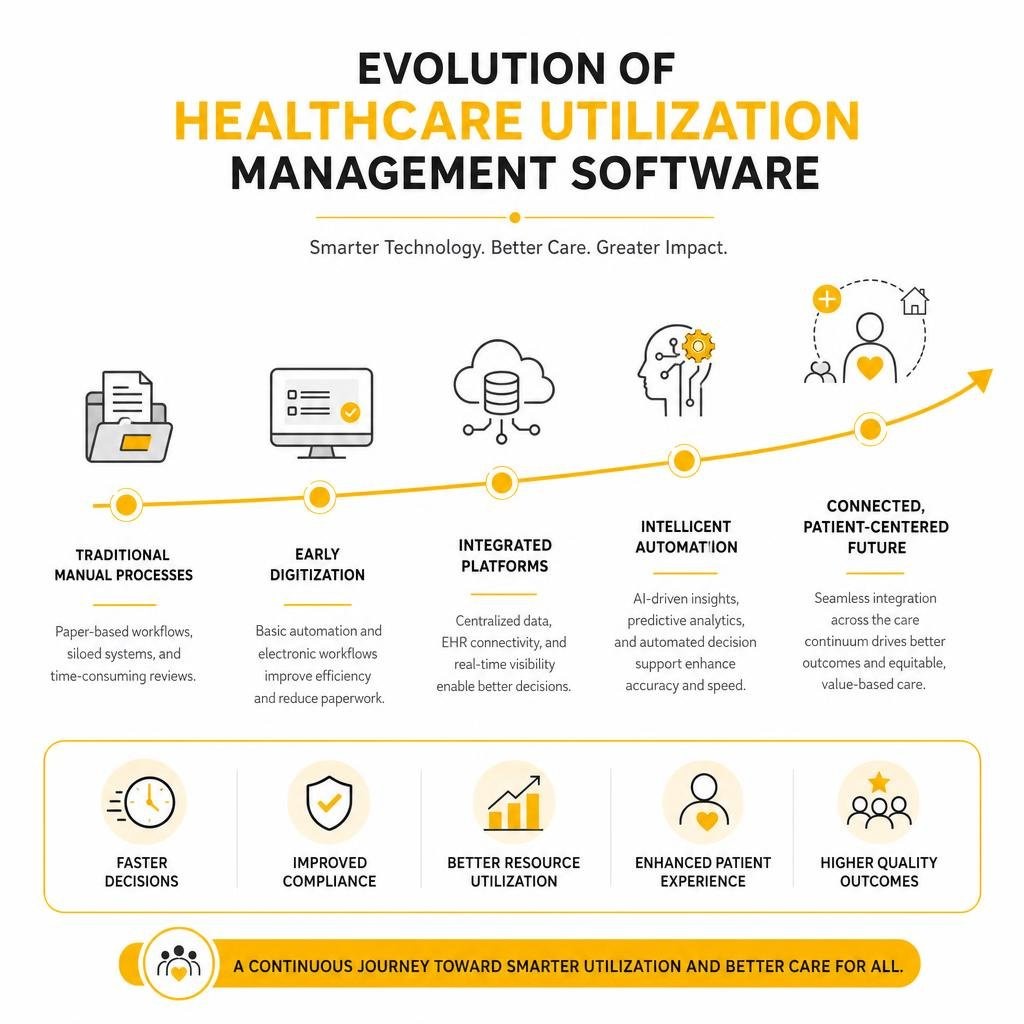
The foundation of effective healthcare management in August 2026 lies in robust utilization management software. These sophisticated platforms offer a suite of integrated features designed to enhance efficiency and clinical accuracy. At their core, they provide automated decisioning, allowing health plans and providers to process requests for medical services, including those related to MTM Care Services, with unprecedented speed and consistency. This automation reduces manual review times and minimizes human error, ensuring that medical necessity is assessed against up-to-date clinical guidelines.
Crucially, modern solutions boast advanced EHR (Electronic Health Record) interoperability. This means they can seamlessly integrate with existing clinical systems, pulling relevant patient data directly from health records. For Medication Therapy Management (MTM) programs, this connectivity ensures pharmacists have a comprehensive view of a patient’s medication history, diagnoses, and lab results, enabling more accurate and personalized medication reviews. Similarly, for Non-Emergency Medical Transportation (NEMT), interoperability can connect transportation requests directly to patient appointments and health plans, streamlining the entire process.
These platforms are powered by extensive clinical criteria, which are continuously updated to reflect the latest evidence-based practices. This ensures that all utilization decisions, from approving a complex therapy to authorizing a specialized medical transport, are grounded in sound medical principles. For MTM Care Services, this translates into more precise identification of medication-related problems and appropriate interventions.
Furthermore, real-time analytics capabilities provide invaluable insights into utilization patterns, cost drivers, and program effectiveness. Health plans can leverage this data to identify trends, predict demand, and proactively address potential issues. For instance, NEMT providers utilize predictive algorithms to forecast daily transportation needs, while MTM programs track adherence rates and the impact of interventions on patient outcomes. These analytics also play a vital role in identifying and preventing fraud, waste, and abuse, ensuring resources are allocated responsibly. To explore how such advanced systems can transform your operations, learn more about leading-edge utilization management software solutions.
Streamlining Prior Authorization with Healthcare Utilization Management Software
Prior authorization has historically been a bottleneck in healthcare delivery, often leading to delays in patient care and significant administrative burdens for providers. However, contemporary utilization management software is revolutionizing this process, particularly for MTM Care Services. These platforms significantly reduce turnaround times by automating large portions of the review process. For routine requests, automated systems can instantly approve services based on predefined clinical criteria, freeing up human reviewers for more complex cases.
This automation drastically cuts down administrative friction. Instead of faxes, phone calls, and manual data entry, providers can submit requests electronically, and the software handles the routing, verification, and decision-making. This is especially beneficial for services like NEMT, where quick approvals are often necessary to ensure patients can reach their appointments on time.
For Medication Therapy Management, the software can integrate formulary rules directly into the prior authorization workflow. This ensures that prescribed medications align with the patient’s health plan formulary from the outset, reducing the need for subsequent adjustments or appeals. If a non-formulary medication is requested, the system can immediately prompt for alternative options or guide the provider through the exception process, complete with necessary clinical justifications.
Moreover, these systems provide robust decision support tools. They can flag potential medication duplications, drug-drug interactions, or contraindications during an MTM review, alerting pharmacists to critical safety concerns. For NEMT, decision support might involve identifying the most appropriate mode of transportation based on a patient’s mobility needs and health status, ensuring both safety and cost-effectiveness. By streamlining prior authorization, utilization management software not only accelerates access to care but also enhances the overall quality and safety of MTM Care Services.
Optimizing Care Transitions via Healthcare Utilization Management Software
Effective care transitions are paramount to preventing adverse events, reducing hospital readmissions, and ensuring continuity of care, especially for patients receiving MTM Care Services. Modern utilization management software plays a critical role in optimizing these transitions.
Upon hospital discharge, post-discharge planning becomes a highly coordinated effort. The software facilitates this by integrating discharge summaries and care plans directly into the patient’s profile. For MTM patients, this means pharmacists can promptly conduct medication reconciliation, comparing pre-admission medications with new prescriptions and over-the-counter drugs. This crucial step identifies discrepancies, potential drug interactions, and adherence issues, which are common causes of readmissions. The software can trigger alerts for pharmacists to perform a Comprehensive Medication Review (CMR) within a critical 30-day window post-discharge, ensuring medication regimens are safe, effective, and understood by the patient.
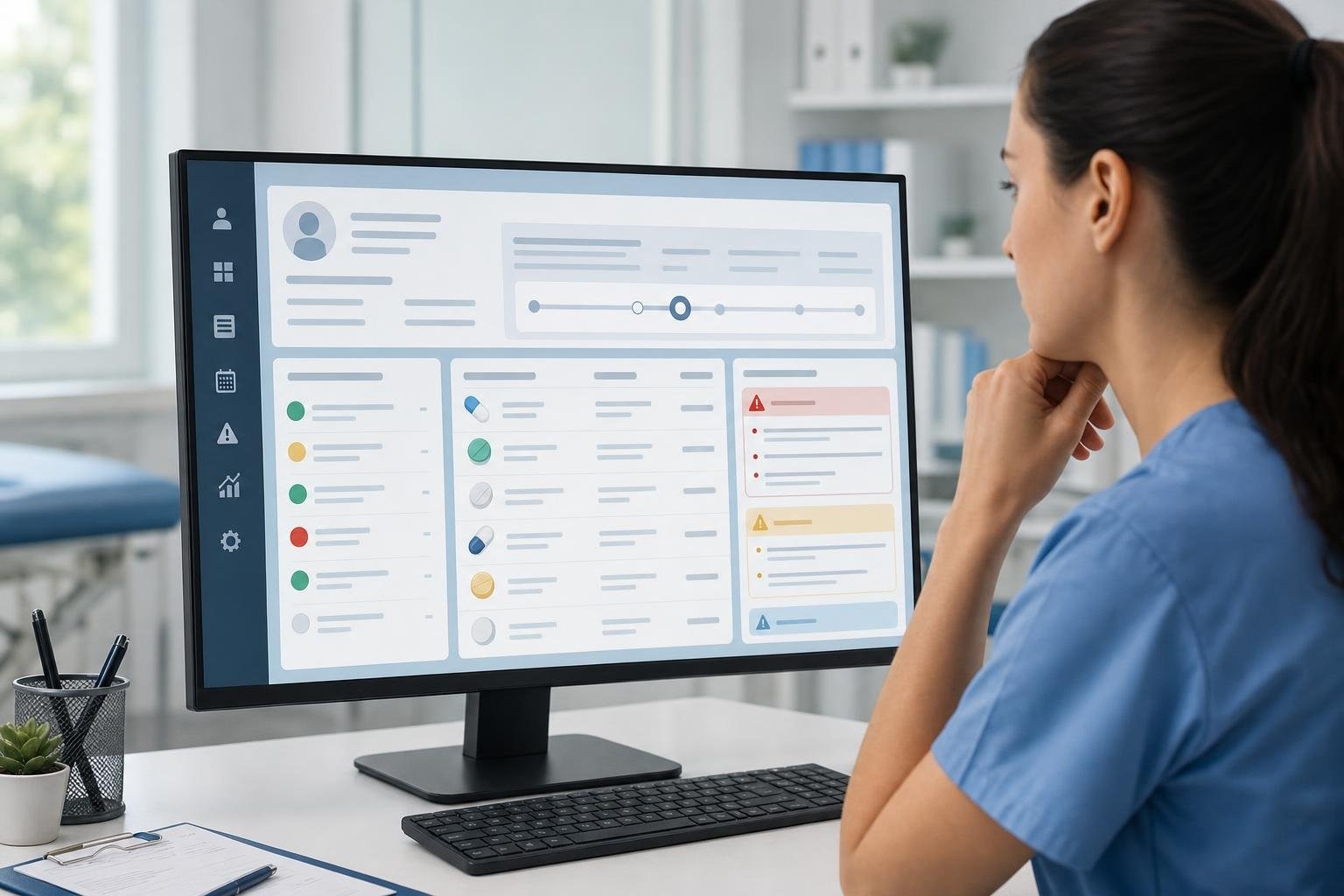
Furthermore, the software supports readmission reduction strategies by identifying high-risk patients and activating targeted interventions. For instance, if a patient has a history of non-adherence or frequent emergency department visits, the system can flag them for enhanced MTM follow-up or specialized NEMT services to ensure they attend post-discharge appointments. Mobile Integrated Health (MIH) programs, often coordinated through NEMT providers, can deliver in-home medical care, reducing the need for hospital visits and preventing unnecessary readmissions.
Utilization management software enhances care coordination across the entire healthcare continuum. It allows different providers—hospital staff, primary care physicians, pharmacists, and NEMT drivers—to share relevant information and collaborate on a unified care plan. This integrated approach ensures that patients receiving MTM Care Services experience smoother transitions, better health outcomes, and a significantly reduced risk of complications after leaving a facility.
Addressing Social Determinants and Supplemental Benefits in UM Workflows
The understanding that health outcomes are profoundly influenced by social determinants of health (SDOH) has reshaped how we approach utilization management. Modern software solutions are now designed to integrate these factors, particularly for MTM Care Services. One of the most significant barriers to care is transportation access. Nearly four million Americans miss or delay medical care each year because they lack reliable transportation. Utilization management software, especially when supporting NEMT programs, directly addresses this.
These platforms manage non-emergency logistics with remarkable efficiency, coordinating millions of trips annually. They allow health plans to offer supplemental benefits that cover transportation to medical appointments, pharmacies, and even alternative therapies. Patients can use mobile apps or online portals to schedule, track, and manage their rides, while the system intelligently dispatches vehicles, including wheelchair-accessible options or rideshare services, based on patient needs and real-time conditions. This ensures that a lack of transport doesn’t prevent access to critical MTM consultations or other healthcare services.
Beyond transportation, UM software helps manage and authorize community-based care and alternative therapies. For instance, MTM Health has leveraged its NEMT network management experience to coordinate Home and Community-Based Services (HCBS) therapies such as equine, pet, art, music, and aquatic therapies. These non-traditional approaches can be vital for individuals with intellectual and developmental disabilities (IDD), behavioral health needs, or those affected by trauma. The software streamlines the prior authorization and billing for these services, ensuring that eligible members receive these beneficial interventions.
By integrating SDOH data into utilization review workflows, health plans can gain a holistic view of a patient’s needs. This allows for more personalized care plans that extend beyond traditional clinical interventions to include social support. The software can identify patients who might benefit from these supplemental services, ensuring that MTM Care Services are not delivered in isolation but as part of a broader, more supportive ecosystem. This proactive approach not only improves patient well-being but also optimizes resource allocation by preventing more costly interventions down the line.
Enhancing CMS Star Ratings and Quality Compliance
For health plans, achieving high CMS Star Ratings and maintaining robust quality compliance are critical for both reputation and financial viability. Utilization management software is an indispensable tool in this endeavor, particularly in optimizing MTM Care Services. These platforms are designed to align with CMS standards, helping plans meet and exceed performance benchmarks.
One of the most direct impacts is on medication adherence, a key component of Medicare Part D Star Ratings. The software can identify patients at risk of falling below the 80% Proportion of Days Covered (PDC) threshold for essential medications (like those for diabetes, hypertension, and cholesterol). It then triggers targeted outreach by MTM pharmacists who can engage these patients across all four quarters, addressing barriers such as cost, side effects, or complex dosing schedules. This continuous engagement, managed and tracked by the UM software, significantly improves adherence rates.
The software also facilitates the tracking and reporting of other Medicare Part C and D measures, such as appropriate statin use in diabetes, flu vaccinations, and mammogram screenings. By identifying gaps in care, the system prompts MTM pharmacists to recommend preventive services during patient consultations, improving overall quality metrics.
Robust audit trails are another crucial feature. Every decision, every interaction, and every data point within the utilization management process is meticulously recorded. This provides complete transparency and accountability, which is essential for CMS audits and demonstrating compliance with regulatory requirements. For NEMT services, real-time GPS tracking and electronic trip verification offer irrefutable proof of service delivery, preventing fraud, waste, and abuse. This level of oversight ensures that all aspects of MTM Care Services are delivered efficiently and ethically.
By systematically managing adherence, tracking quality measures, and ensuring transparent operations, utilization management software empowers health plans to not only meet but often surpass CMS expectations. This leads to improved Star Ratings, better patient outcomes, and a stronger competitive position in the market.
Frequently Asked Questions About Healthcare Utilization Management Software
What is the primary function of healthcare utilization management software?
The primary function of healthcare utilization management software is to ensure that patients receive medically necessary and appropriate care while optimizing resource allocation. It acts as a central hub for reviewing and approving healthcare services, including MTM Care Services like medication reviews and transportation assistance. By automating and standardizing these processes, the software aims to enhance operational efficiency, reduce unnecessary costs, and prevent the over- or under-utilization of healthcare resources. It allows health plans and providers to make informed decisions based on clinical criteria and patient needs.
How does utilization management software improve clinical outcomes?
Utilization management software significantly improves clinical outcomes by promoting evidence-based care, ensuring care continuity, and enhancing medication safety, especially within MTM Care Services. It guides decision-making based on the latest clinical guidelines, ensuring that treatments are effective and appropriate. For MTM, the software helps pharmacists identify medication-related problems, improve adherence, and reconcile medications during care transitions, directly leading to better health for patients. By streamlining approvals for NEMT, it ensures patients can access crucial medical appointments, preventing missed care that could lead to worsening conditions. This integrated approach ensures patients receive timely, high-quality care that supports their overall well-being.
What role does automation play in prior authorization workflows?
Automation plays a transformative role in prior authorization workflows by drastically speeding up review processes and significantly reducing administrative burden. Instead of manual reviews that can take days or weeks, automated systems can instantly approve requests that meet predefined criteria. This not only accelerates access to necessary MTM Care Services, such as specialized therapies or medication approvals, but also frees up clinical staff to focus on more complex cases. The reduction in administrative tasks associated with traditional prior authorization processes allows healthcare providers to dedicate more time to direct patient care and improves overall operational efficiency.
Conclusion
As we look towards August 2026 and beyond, the future of healthcare utilization management is undeniably digital and integrated. The advancements in utilization management software are not merely incremental improvements; they represent a fundamental shift in how we deliver and manage MTM Care Services and other critical healthcare interventions. From automating prior authorizations and optimizing care transitions to addressing the complex interplay of social determinants of health, these platforms are driving a new era of efficiency, quality, and patient-centered care.
The move towards value-based delivery models further underscores the importance of these technological solutions. By enabling health plans and providers to enhance CMS Star Ratings, improve medication adherence, and prevent costly readmissions, utilization management software is proving to be an essential partner in achieving better outcomes at a lower cost.
This digital transformation is paving the way for a healthcare system that is more responsive, equitable, and effective. By embracing these innovations, we can ensure that every patient receives the right care, at the right time, supported by seamless processes and a holistic understanding of their needs. The journey toward a more efficient and patient-focused future in healthcare is well underway, powered by the continuous evolution of utilization management software.