What to Do When Your Home Experiences a Sudden Electrical Failure
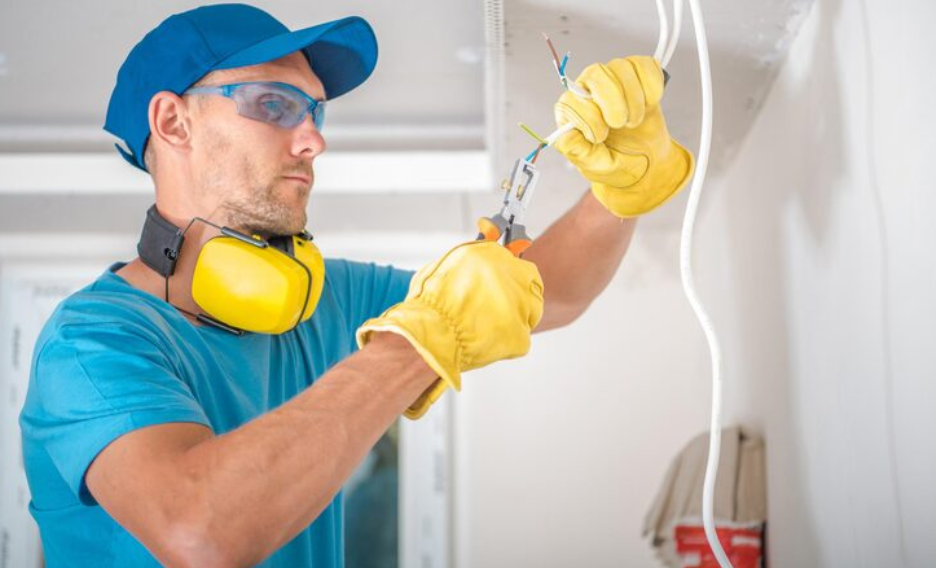
A sudden electrical failure at home can be stressful and inconvenient. Lights may go out, appliances may stop working, and important systems may suddenly lose power. While some electrical problems are minor, others can be dangerous and require immediate attention. Knowing what to do during an electrical failure can help protect your home, family, and electrical equipment while you determine the right solution.
Stay Calm and Check the Situation
The first step is to remain calm and assess what has happened. Check whether the power failure affects your entire home or only one room. If only certain lights or outlets have stopped working, the issue may be related to a tripped circuit breaker. If the entire neighborhood is without power, the problem may be an outage from the local utility provider.
Look around carefully for warning signs such as smoke, sparks, burning smells, or unusual buzzing sounds. If you notice any of these signs, avoid touching electrical equipment and move away from the affected area.
Check Your Electrical Panel Safely
If there are no signs of fire, smoke, or damaged wiring, you can carefully check your home’s electrical panel. A circuit breaker may have tripped because of an overloaded circuit or an electrical fault. If you find one breaker in a different position from the others, you may reset it once.
However, if the breaker trips again immediately, do not continue resetting it. Repeatedly resetting a breaker may indicate a more serious electrical problem. In this situation, professional inspection is the safest choice.
Protect Appliances During a Power Failure
A sudden power failure can sometimes cause power surges when electricity returns. These surges may damage sensitive appliances such as televisions, computers, refrigerators, and other electronic equipment. Unplugging important devices during an outage can help reduce the risk of damage.
It is also wise to keep flashlights available instead of using candles, especially when children or pets are present. Avoid using electrical appliances in areas where water is present, as this can create a serious shock hazard.
When to Call an Emergency Electrician
Some electrical failures require immediate professional assistance. If you smell burning, see sparks, notice exposed wires, or experience repeated breaker trips, you should not attempt to repair the problem yourself. These issues may involve damaged wiring, overloaded circuits, or other dangerous electrical faults.
An emergency electrician can inspect the electrical system, identify the source of the problem, and complete necessary repairs safely. Professional help is especially important when the failure affects essential systems or creates a risk of fire or electric shock.
Prevent Future Electrical Problems
Once the immediate problem has been resolved, consider taking steps to reduce the risk of future failures. Regular electrical inspections can help identify aging wires, overloaded circuits, loose connections, and other potential concerns. Avoid connecting too many high-powered appliances to a single outlet or extension cord.
Installing surge protection and keeping your electrical system properly maintained can also provide additional protection for your home and appliances.
Conclusion
A sudden electrical failure can happen without warning, but knowing how to respond can make the situation safer and easier to manage. Start by checking the scope of the outage and looking for signs of danger. If the problem involves sparks, burning smells, exposed wiring, or repeated circuit breaker trips, avoid DIY repairs and contact a qualified professional. Taking quick and careful action can help protect your home and restore your electrical system safely.