O Ring Vulcanizing Machine: Improving Repeatability, Yield, and Product Quality
O-rings and precision seals must maintain cross-section, surface condition, and material properties within tight limits. Flash, short filling, air pockets, or deformation can affect assembly and sealing performance. For sealing applications, injection molded rubber parts require coordinated material flow, curing, removal, cleaning, and inspection.
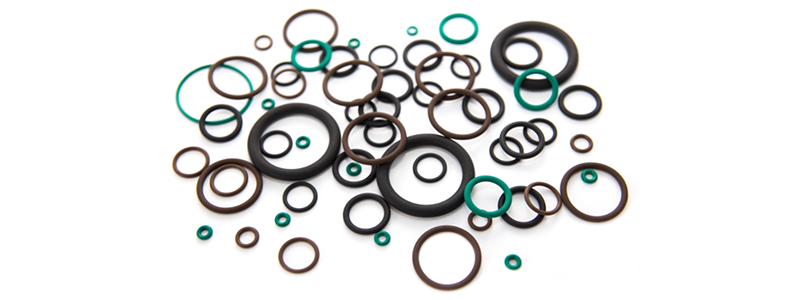
Yield improvement should start by classifying O-ring defects according to process stage. Short filling and cavity-weight imbalance point toward material delivery, runners, venting, or injection response; cure variation points toward temperature and time; distortion may arise during demolding, brushing, transfer, or cooling. The RH features should therefore be used as diagnostic controls, not repeated as a feature list. The RH Series combines FIFO material movement, ultra-high-pressure injection, cold runners, servo hydraulics, an integrated injection unit, and automatic brushes for this application.
Classify O-Ring Defects by Process Stage
O-ring defects should first be classified by the stage in which they are created. Short filling and cavity-weight imbalance point toward feeding, runners, venting, or injection response. Cure variation points toward temperature, pressure holding, or time. Distortion may originate during mold release, brushing, transfer, or cooling. This classification prevents the team from changing several unrelated settings in response to one defect.
Dekuma specifies the RH platform for natural rubber, nitrile rubber, and fluoro rubber sealing components. Each formulation requires its own preparation, injection, temperature, holding, and cure settings. Material identity and storage history needs to remain traceable.
The integrated injection unit shortens the route into the mold. Seals, nozzles, and flow passages must remain clean and leak-free. Cushion, recovery time, and shot position can provide early evidence of feeding or check-valve variation.
After interruptions, the material may have a different thermal history. Restart procedures are expected to define stabilization, purging where required, and first-off approval. Automatic production should not resume solely because the machine is mechanically ready
Use Cavity Balance and Part Weight to Diagnose Filling
The O ring vulcanizing machine uses an ultra-high-pressure system to fill detailed cavities quickly. Pressure must be matched to runner resistance, venting, compound viscosity, and mold strength rather than used to conceal a restricted path.
Cold-runner technology keeps distribution material below curing conditions, reducing cured runner waste. Temperature balance is critical. Insufficient runner cooling can start cure early and restrict the path, whereas excessive cooling can raise compound viscosity and flow resistance.
Cavity maps must compare weight, dimensions, flash, incomplete edges, and cure condition. A pooled average can hide one gate, vent, nozzle, or thermal zone moving toward a limit. Location-based evidence guides tooling and process correction.
Filling should be diagnosed through short-shot samples, cavity-level part weights, flash patterns, incomplete edges, and pressure traces. Results should retain the cavity and location identity instead of being combined into one average. This evidence helps distinguish a restricted gate, poor venting, unbalanced runner temperature, material variation, or an inappropriate injection profile before the process is adjusted.
Separate Cure, Demolding, and Cleaning Causes
Cure, demolding, and mold-cleaning causes should be tested separately. A cured ring that meets dimensional and hardness requirements before removal but deforms afterward indicates a handling or cooling problem. Residue, retained parts, or incomplete cleaning can affect the following cycle through flash or poor closure. Controlled trials should change one stage at a time and preserve samples from before and after the suspected operation.
Sensors should confirm that every cavity and runner area is clear before closing. A retained ring can damage tooling or create defects in the next cycle. Recovery logic must stop movement safely and identify potentially affected output.
Servo-driven hydraulics adjust pressure and flow according to real-time demand. This can reduce unnecessary energy while maintaining required movement. Energy should be measured per accepted seal across heating, curing, brushes, cold-runner control, and standby.
End-of-arm or brush handling must avoid stretching warm rings. Cooling and transfer support influence final dimensions. Inspection timing should be standardized so measurements compare parts at similar stabilization conditions.
Measurement-system studies should confirm that gauges, fixtures, vision settings, and operators can distinguish the required tolerances. Reference rings with known conditions help verify inspection before production data is used to adjust the molding process.
Capability should be reviewed by cavity as well as by batch. One cavity may show greater flash, weight, or dimensional drift because of a local gate, vent, temperature, or wear condition. Cavity maps prevent that signal from disappearing in the overall average.
Cure verification may require more than surface appearance. Hardness, compression behavior, dimensions after stabilization, or application-specific tests can provide evidence appropriate to the seal. The sampling plan should reflect customer and functional risk.
After mold cleaning or runner service, a controlled release should confirm thermal balance, injection response, removal, and first-off quality. Returning immediately to unrestricted automatic operation can mix setup output with accepted production.
Scrap records should separate runner material, startup purge, cavity defects, and handling damage. This classification shows whether material-saving and automation features reduce total loss or merely move it to another stage.
Convert Measurements into a Controlled Improvement Plan
The improvement plan should connect each defect category with a measurement, suspected cause, corrective action, responsible owner, and confirmation trial. Records should retain compound lot, mold, cavity, recipe, temperature, injection response, cure, handling event, and inspection result. A change should be accepted only when repeated samples show improvement without moving scrap or variation into another cavity or process stage.
For high-cavity production, injection molded rubber parts should be sampled by cavity and over consecutive cycles. An O ring vulcanizing machine can then be evaluated through fill balance, cure consistency, flash, dimensions, and surface condition, giving maintenance teams evidence that points to a runner, mold, material, or machine source.
Maintenance should cover FIFO components, injection seals, runner zones, brushes, sensors, hydraulics, heaters, and mold surfaces. Pressure rise, longer recovery, cavity imbalance, or frequent removal faults can indicate developing wear or contamination.
A stable o ring vulcanizing machine connects controlled material history with balanced filling, reliable curing, gentle removal, and capable inspection. Maintaining this complete sequence allows yield improvement without hiding defects through extra sorting or uncontrolled recipe changes.