How to Restore Reliable Access When Your Vehicle Remote Fails
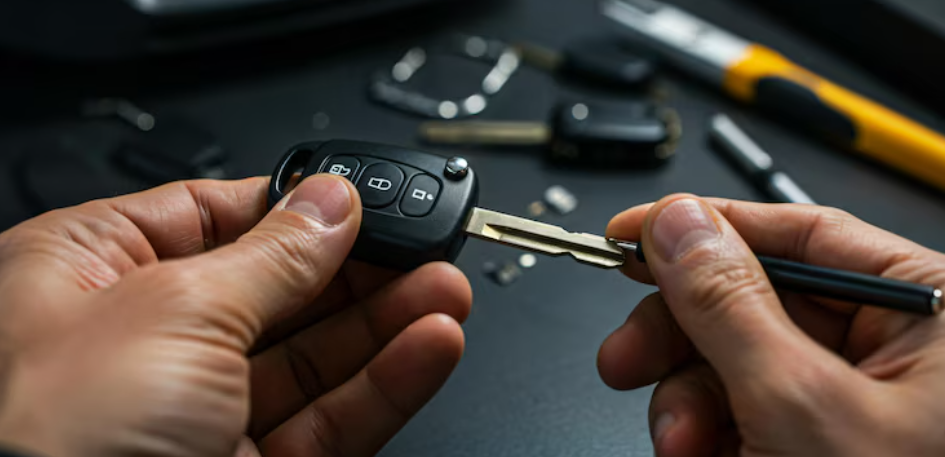
Modern vehicles depend heavily on remote key systems for convenient access and security. With the press of a button, drivers can lock or unlock their vehicles without using a traditional key. However, when a vehicle remote suddenly stops working, it can quickly become frustrating and inconvenient. Understanding the common causes of remote failure and the right solutions can help restore reliable access to your vehicle.
Check the Remote Battery First
One of the most common reasons a vehicle remote stops working is a weak or dead battery. Most remote key fobs use small coin-cell batteries that can lose power over time. If the buttons work only occasionally or the remote has a shorter range than usual, the battery may need to be replaced.
Replacing the battery is often a simple solution, but the correct battery type should always be used. The battery must also be installed in the proper direction. If a new battery does not solve the problem, the issue may be related to the remote itself or the vehicle’s receiving system.
Look for Signs of Physical Damage
Vehicle remotes are used regularly and can easily be dropped, exposed to moisture, or damaged through everyday use. A cracked case, broken button, or internal circuit damage can prevent the remote from sending a proper signal to the vehicle.
In some cases, the remote may appear normal from the outside but have internal damage. A professional inspection can help determine whether the remote can be repaired or needs to be replaced. Protecting the remote from water, extreme temperatures, and physical impact can also help extend its useful life.
When Key Fob Programming May Be Needed
Sometimes a vehicle remote stops working because it has lost its connection with the vehicle. This can happen after a battery replacement, electrical issue, or other system-related problem. In these situations, key fob programming may be necessary to restore communication between the remote and the vehicle.
Programming requirements can vary depending on the vehicle’s make, model, and year. Some vehicles allow simple programming procedures, while others require specialized diagnostic equipment. Professional assistance can ensure that the remote is correctly matched with the vehicle’s security system.
Consider a Replacement Remote
If the original remote is severely damaged or no longer functions properly, replacing it may be the best option. Replacement remotes may be available through dealerships, automotive professionals, or reliable automotive service providers. However, a new remote usually needs to be programmed before it can operate the vehicle.
It is important to choose a compatible remote that matches the vehicle’s specific requirements. Using an incorrect or poor-quality replacement may lead to additional problems and unnecessary expenses.
Avoid Being Locked Out in the Future
Taking a few simple precautions can reduce the chances of experiencing remote failure at an inconvenient time. Keeping a spare key or backup remote available can provide an alternative way to access the vehicle. Regularly replacing the remote battery can also help prevent unexpected power loss.
Drivers should also pay attention to warning signs, such as reduced operating range or delayed responses from the remote. Addressing these signs early can prevent a minor issue from becoming a complete access problem.
Conclusion
A failed vehicle remote can interrupt your daily routine, but the problem is often fixable. Checking the battery, inspecting the remote for damage, and determining whether key fob programming is required are important steps toward restoring reliable access. When the remote cannot be repaired, a properly matched replacement can provide a dependable solution. With regular maintenance and a suitable backup option, drivers can reduce the risk of being locked out and enjoy greater peace of mind.