How to Prevent Water Damage Around Your Home
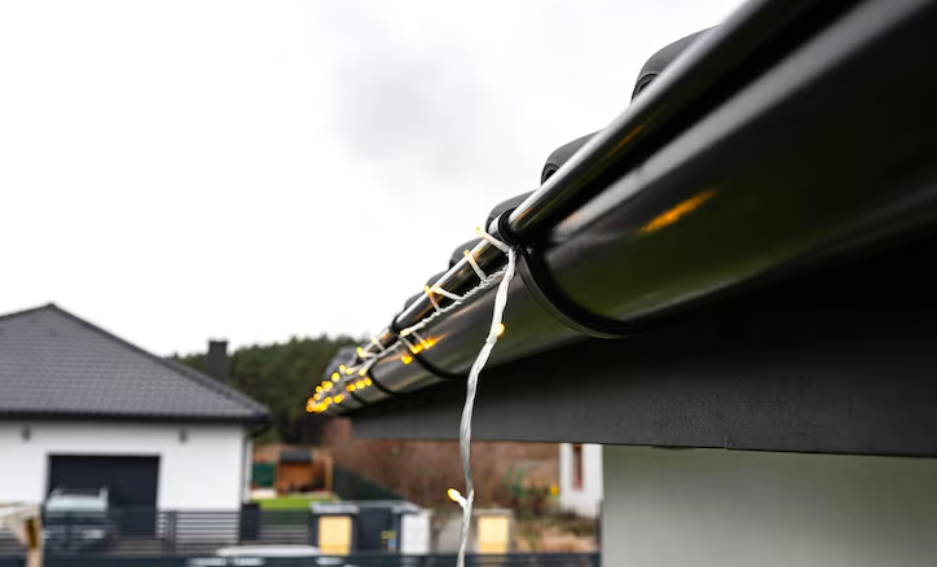
Water damage is one of the most common problems homeowners face. Heavy rain, blocked gutters, leaking pipes, poor drainage, and roof problems can all allow water to enter areas where it should not be. Over time, excess moisture can damage walls, floors, foundations, furniture, and other important parts of a home. Taking simple preventive steps can help protect your property and reduce the risk of costly repairs.
Keep Gutters and Downspouts Clear
Gutters are designed to collect rainwater from the roof and direct it away from the home. However, leaves, twigs, dirt, and other debris can block the flow of water. When gutters become clogged, rainwater may overflow and collect near the foundation. This can lead to basement leaks, soil erosion, and structural problems.
Regular gutter maintenance is an important part of home care. Many homeowners choose professional gutter cleaning services to ensure that gutters and downspouts remain clear and work properly throughout the year. Downspouts should also direct water several feet away from the foundation.
Check Your Roof for Signs of Damage
A damaged roof can allow water to enter your home during rainstorms. Missing shingles, cracked flashing, damaged seals, and small holes may create leaks that become worse over time. Even a minor roof leak can cause stains, mold growth, and damage to ceilings or insulation.
Inspect your roof regularly, especially after severe weather. If you notice damaged areas or signs of moisture inside your home, arrange for professional repairs as soon as possible. Early action can prevent a small roofing problem from becoming a major source of water damage.
Maintain Proper Drainage Around Your Home
The ground around your home should slope away from the foundation. This helps rainwater move away from the structure instead of collecting near the walls. Poor grading can cause water to remain close to the foundation, increasing the risk of cracks and leaks.
You should also keep outdoor drains clear of leaves and debris. If your property has standing water after rainfall, it may be a sign that the drainage system needs improvement. A professional can help identify the cause and recommend a suitable solution.
Inspect Plumbing Systems Regularly
Leaking pipes, faucets, water heaters, and washing machine hoses can cause serious water damage if they are ignored. Check visible plumbing connections regularly for moisture, rust, or small leaks. Replacing old or damaged hoses and repairing leaks quickly can help prevent larger problems.
It is also wise to know where your main water shut-off valve is located. In an emergency, turning off the water quickly can reduce the amount of damage caused by a burst pipe or major leak.
Conclusion
Preventing water damage requires regular attention to the areas that control water around your home. Keeping gutters clean, maintaining the roof, improving drainage, and checking plumbing systems can protect your property from expensive damage. By taking these simple steps and addressing problems early, homeowners can keep their homes safer, drier, and in better condition for many years.