Elevate Your Car’s Tech: Dash Cams Explained
There is something deeply comforting about feeling prepared on the road. You pull out of the driveway, merge into traffic, and trust that most journeys will be ordinary. But every driver knows that ordinary can change in a heartbeat. A sudden stop. A sideswipe in a parking lot. A stranger insisting the accident happened differently than it did. That is exactly why so many drivers are upgrading their vehicles with smart, practical tools that offer clarity when it matters most.
Among those tools, the dash cam has become one of the most valuable. It is small, quiet, and easy to overlook—until the day it protects you. For many people, that little device is not just a gadget. It is peace of mind mounted to the windshield.
If you have been curious about whether one is worth it, this guide walks you through what it does, why it matters, and how to choose one without feeling overwhelmed.
Why a dash cam matters more than ever
Modern roads are busy, distracted driving is common, and insurance disputes can be frustratingly complicated. In that environment, video evidence can make a stressful situation far easier to handle. A recording can help show who ran a red light, who drifted into another lane, or what really happened during a near miss.
That is the practical side. But there is an emotional side too. When something upsetting happens behind the wheel, memory can blur. Adrenaline rises. Details slip away. Having footage means you do not have to rely only on shaky recollection. You have something concrete.
There is also comfort in knowing your car is protected when parked. Some devices continue monitoring after the engine is off, capturing bumps, break-in attempts, or suspicious movement nearby. For anyone who has ever returned to their car and found a mysterious dent, that feature feels less like luxury and more like relief.
How a dash camera works in everyday driving
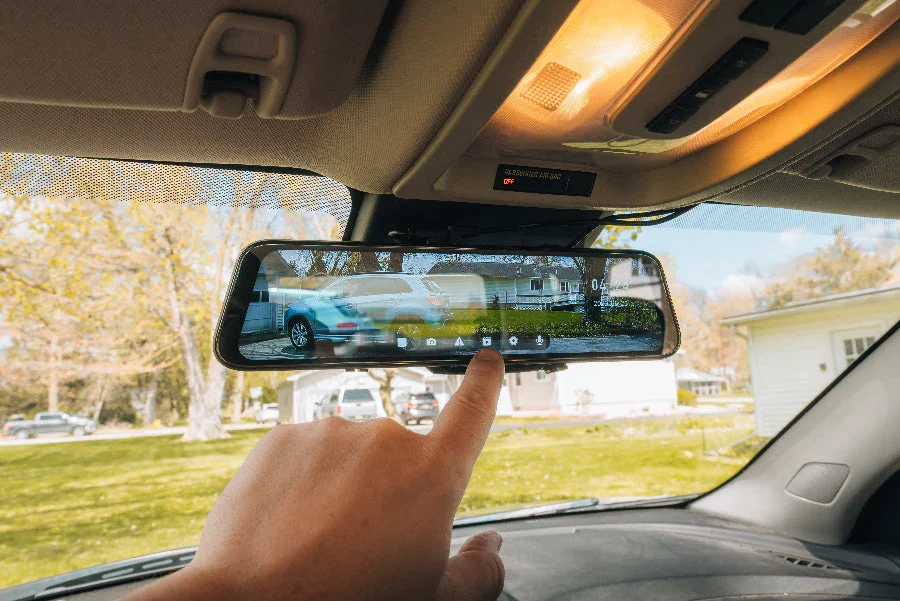
A dash camera records video from your vehicle, usually through the front windshield, though many models also include rear or cabin-facing lenses. Most start recording automatically when the car turns on. They save footage in short loops, overwriting older files unless an important event is detected or manually saved.
This makes them simple to live with. Once installed, they quietly do their job in the background. Many include features like night vision, wide-angle lenses, GPS tracking, impact sensors, and parking mode. Some even connect to an app so you can review clips on your phone in seconds.
Think of it as a silent witness. It does not panic. It does not forget. It simply records.
A friend once had to delegate the school pickup to a neighbor after getting stuck at work during a stormy evening. On the way home, that neighbor was involved in a minor fender bender. Emotions were high, stories differed, and everyone felt flustered. Thankfully, the recorded footage made the situation clear almost instantly. What could have become a drawn-out argument turned into a manageable conversation. That small act of preparation saved time, stress, and plenty of unnecessary blame.
Features that make a dash cam worth buying
Not all models are created equal, and choosing one can feel confusing at first. The good news is that a few key features matter most.
Video quality should come first. Clear footage is essential, especially when trying to read license plates or capture details at night. Full HD is a strong starting point, while 2K or 4K can provide even sharper images.
Wide-angle coverage is also important. A broader field of view captures more of the road without making everything appear distorted. Night performance matters too, because many incidents happen in low light, parking garages, or rainy evening traffic.
Loop recording keeps the system running without constant management. G-sensors are useful because they can automatically lock footage when a collision or sudden impact occurs. Parking mode is excellent for drivers who leave their vehicles on city streets or in crowded lots.
Storage capacity should not be ignored either. A reliable memory card helps ensure your device records smoothly and consistently. In many cases, reliability matters more than flashy extras.
Choosing the right dash camera for your lifestyle
The best choice depends on how and where you drive. If your commute is long and highway-heavy, image clarity and GPS features may be especially useful. If you often park in public spaces, parking surveillance should move high on your priority list. If you drive for rideshare or transport family members frequently, a dual-facing model may provide extra reassurance.
Ease of installation can also shape your decision. Some devices attach with a suction mount, while others use adhesive for a cleaner look. Some plug into a power outlet, while others can be hardwired for a more seamless setup.
A surprisingly charming moment happened in a local electronics shop when a retired couple asked an employee to explain their options. They were hesitant, unsure whether this technology was “too much” for them. But when the salesperson showed how simple playback worked, their faces lit up with real delight. It was not about loving gadgets. It was about feeling safer and more confident every time they backed out of the driveway.
Installation tips and real-world considerations
Placement matters. The dash cam should sit where it has a clear view of the road without obstructing your vision. Usually, behind or near the rearview mirror works well. Wires should be tucked neatly away so the setup stays safe and uncluttered.
It is also wise to check local laws regarding windshield-mounted devices and audio recording. Rules vary depending on where you live, so a quick review can prevent future headaches.
Weather can affect performance as well. In very hot or cold climates, choosing a model designed to handle temperature extremes is a smart move. One driver joked that their old car was so drafty in winter that every ride felt like traveling inside a moving porch. During one freezing morning commute, that same driver realized a cheaply made camera kept shutting off in the cold. Upgrading to a better-built model solved the problem. It was a funny lesson, but an important one: durability matters just as much as features.
What you gain beyond footage
A dash cam does more than record accidents. It can encourage better driving habits, document road trips, and provide reassurance for parents lending a car to a teen driver. It can also support insurance claims, reduce fraud risk, and help settle disputes quickly.
More than that, it gives you a feeling many drivers quietly crave: control in situations that can otherwise feel chaotic. The road will always hold surprises. Traffic will still be traffic. But being prepared changes how vulnerable those surprises feel.
For anyone looking to make a smart, modern upgrade, a dash camera is one of the clearest choices available. It is practical, protective, and increasingly essential in a world where a few seconds of footage can make all the difference. When you invest in technology that looks out for you, every drive feels a little steadier, a little safer, and a lot more empowered.