Choosing the Right Diapers for Newborn Comfort and Daily Care
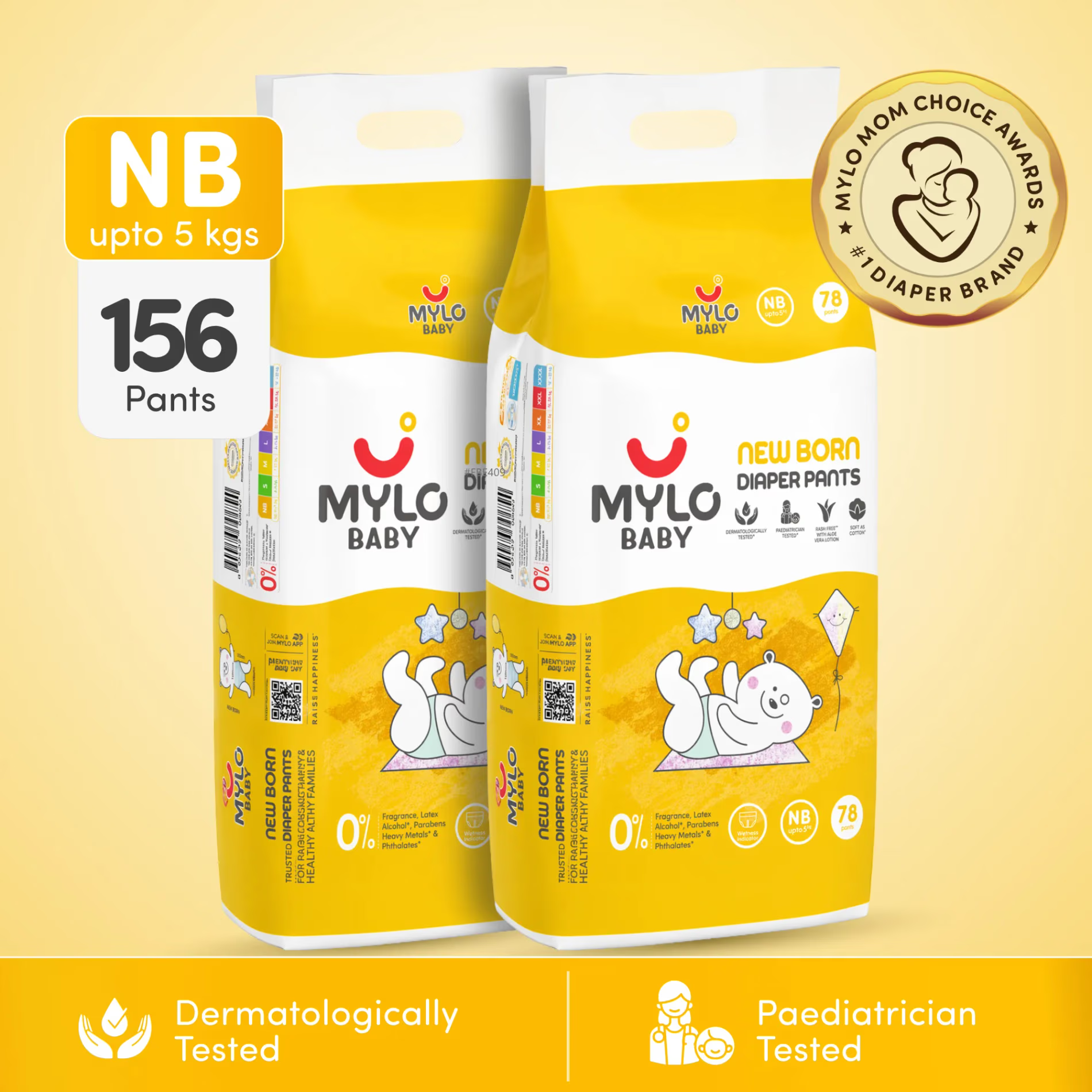
Newborn care involves many small decisions, and diaper selection is one of the most frequent. A suitable diaper needs to balance fit, absorbency, softness, and ease of changing while allowing caregivers to monitor the baby’s comfort. Since newborns can require frequent changes, choosing an appropriate option can simplify everyday routines.
For families comparing baby diaper pants, the decision should extend beyond packaging claims or price. Weight range, construction, wetness indicators, absorbency, skin considerations, and the baby’s changing stage can all influence whether a particular diaper works well for daily use.
Why Proper Diaper Selection Matters
A baby’s diaper remains in close contact with delicate skin for much of the day, making fit and moisture management important considerations. Urine and stool can irritate the skin when contact continues for too long, while a diaper that is too tight may cause rubbing around the waist and legs. Frequent changes and gentle cleaning remain important parts of routine care.
Newborns also have changing needs as their weight increases. Parents should therefore check the manufacturer’s weight guidance instead of choosing a size solely according to age. A well-fitting diaper should sit comfortably around the waist and legs without leaving deep marks or creating obvious gaps that can contribute to leakage.
Checking the Weight Range
Weight is generally a more useful sizing reference than age because babies grow at different rates. The selected size should correspond with the manufacturer’s stated range, while caregivers should reassess the fit whenever the baby gains noticeable weight or the diaper begins showing signs of strain.
Assessing the Waist and Leg Fit
A secure fit should provide enough room for comfortable movement without excessive looseness. Gaps around the thighs can contribute to leaks, whereas excessive tightness may create pressure and friction. Caregivers can check the waistband and leg openings after every new size is introduced.
Features Worth Considering in Newborn Diapers
Different diaper designs use different absorbent structures and fastening systems. Some disposable options include wetness indicators that help caregivers identify when a change may be needed. Such indicators can be particularly convenient during the newborn stage, when keeping track of urination is also relevant to monitoring feeding and hydration.
Absorbency is another practical factor, particularly when a baby sleeps for longer stretches. However, high absorbency should never become a reason to delay changes after stooling. Pediatric guidance recommends changing diapers frequently to reduce prolonged exposure to moisture and irritants.
- Weight-specific sizing
- Absorbent core construction
- Wetness indicator where available
- Flexible leg openings
- Comfortable waistband
- Skin-friendly materials
- Clear manufacturer instructions
These characteristics can help caregivers compare products according to everyday requirements rather than relying on one feature alone.
Finding a Suitable Option for Newborns
Searching for the best diapers for newborns can produce many recommendations, but there is no universal choice that suits every baby. Skin sensitivity, body shape, weight, changing frequency, household budget, and caregiver preferences can all influence the selection. A product that fits one newborn well may not perform identically for another.
Parents can begin with a small quantity before committing to a larger pack. This allows them to observe fit, absorbency, leakage, skin response, and ease of changing. If redness or irritation develops repeatedly after using a particular product, caregivers should consider discussing the issue with a pediatrician and reviewing other products used around the diaper area.
Disposable and Cloth Options
Disposable diapers are designed for convenience and absorbency, while reusable cloth options can appeal to families prioritizing washable products. Both approaches require regular changing and appropriate cleaning. The choice can depend on household routines, available laundry facilities, budget considerations, and personal preferences.
Disposable Diaper Considerations
Disposable designs can simplify travel, nighttime routines, and situations where washing facilities are unavailable. Their absorbent construction can also help reduce the baby’s exposure to moisture between changes, although regular changing remains necessary regardless of absorbency.
Reusable Diaper Considerations
Reusable designs require washing, drying, and appropriate storage, but they can become part of a structured diapering routine at home. Families considering this route should assess how many inserts or covers are required and whether their washing schedule can accommodate regular use.
Building an Effective Diaper-Changing Routine
A consistent changing routine can make newborn care more manageable. Caregivers should prepare a clean changing area, keep essential supplies within reach, and maintain one hand on the baby whenever the baby is on an elevated changing surface. A clean diaper, suitable wipes or cleansing materials, and any recommended barrier product should be prepared before beginning.
- Check the diaper regularly.
- Change promptly after stooling.
- Clean the area gently without excessive rubbing.
- Allow the skin to dry before putting on a fresh diaper.
- Make sure the new diaper is not excessively tight.
- Monitor recurring redness, sores, or worsening irritation.
These habits support a cleaner diapering routine while helping caregivers notice changes in the baby’s skin early.
Final Thoughts
Could a carefully selected diaper make everyday newborn care more comfortable? Mylo disposable diapers give families a practical option within Mylo’s broader baby-care range, with current offerings including Airprime Premium Diaper Pants with a wetness indicator and Mylo Baby Diaper Pants featuring ADL Technology and stated 12-hour protection. The website also lists multiple weight-based sizes, allowing families to select according to their baby’s growth stage.
Mylo’s baby-care portfolio extends beyond diapering into wipes, cloth diapers, baby wellness, feeding and lactation, clothing, and baby gear. Its website describes the wider offering as focused on gentle, science-backed baby care and hygiene, giving parents access to multiple essentials through one platform.
Pregnancy App Tools for Planning and Tracking
Families can also use Mylo’s digital resources during the pregnancy and parenting journey. The Mylo pregnancy app download is available through its app listing, which currently describes tools including a pregnancy calculator, due date calculator, baby growth tracker, vaccination reminders, diet charts, and week-by-week pregnancy information.
For families looking for a pregnancy tracker and calculator, Mylo’s digital platform includes tools designed to help users follow pregnancy milestones and estimate an expected delivery date. Its dedicated due-date calculator uses the last menstrual period and average cycle length to estimate the expected date, while noting that the result is an estimate rather than a guaranteed delivery date.