Choosing Building Materials for Your New Home: A Practical Guide
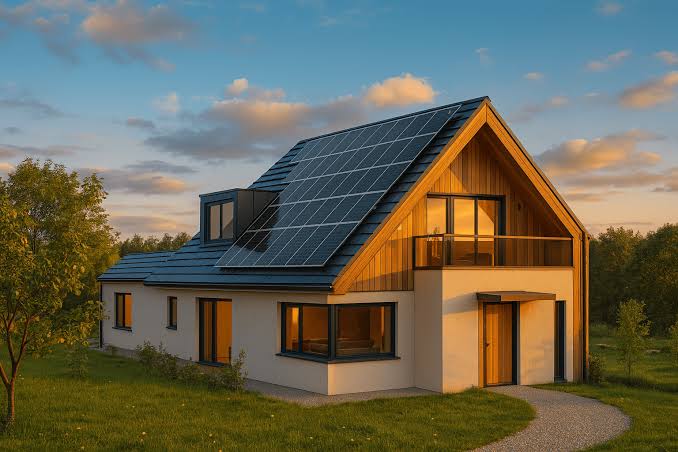
Building materials have a major influence on the appearance, durability, comfort and energy performance of a house. From the exterior facade to the flooring and interior finishes, every material contributes to the character of the finished building.
With so many products and construction systems available, choosing the right combination can be challenging. The best approach is to consider materials as part of the overall architectural concept rather than making individual selections without understanding how they work together.
Start with the Architectural Style
The architectural style of your home provides a useful starting point for selecting materials.
A contemporary house may combine timber cladding, concrete, natural stone, glass and metal. A traditional home might use brick, render, timber details or a pitched roof with ceramic tiles.
However, materials should not be selected simply because they are associated with a particular style. Their proportions, colours, textures and detailing are equally important.
For example, a modern house with a simple geometric form may benefit from a restrained palette of two or three complementary materials. Using too many different finishes can make the exterior appear visually busy.
Consider the Local Climate
Materials must perform well in the climate where the house is located. Rainfall, humidity, temperature changes, frost, sunlight and wind can all affect their durability.
In colder climates, exterior materials should be suitable for repeated freeze-thaw cycles. Facade systems must also be designed to manage moisture and prevent damage.
Timber can create a warm and attractive appearance, but its long-term performance depends on the species, treatment, installation and maintenance. Natural stone is durable, although its cost and installation requirements can vary significantly.
A qualified architect can help identify suitable materials based on the building’s location and design.
Understand the Importance of the Building Envelope
The building envelope separates the interior environment from outdoor conditions. It includes the roof, external walls, windows, doors and foundations.
Insulation, airtightness, moisture management and thermal bridging all influence the performance of this system.
Choosing an attractive exterior finish is not enough if the underlying construction is poorly designed. A facade should be considered together with insulation, weather protection, ventilation and the structural wall assembly.
This is particularly important for energy-efficient homes, where small design details can have a significant effect on long-term performance.
Balance Initial Cost and Long-Term Maintenance
The cheapest material is not necessarily the most economical choice over the lifetime of a building.
Some products have a relatively low initial cost but require frequent painting, sealing or replacement. Others may be more expensive to install but offer longer service life and lower maintenance requirements.
When comparing materials, consider:
– Initial purchase and installation costs.
– Expected lifespan.
– Cleaning and maintenance requirements.
– Resistance to moisture and weather.
– Availability of replacement products.
– Compatibility with other construction materials.
For example, timber cladding may require periodic treatment depending on the product and exposure conditions, while some metal or fibre-cement facade systems may require less frequent maintenance.
Select Interior Materials for Everyday Use
Interior finishes should reflect how each room will be used.
Flooring in an entrance or kitchen should withstand frequent use and occasional moisture. Bathroom surfaces need appropriate water resistance and slip resistance. Bedrooms may benefit from warmer and softer finishes.
The visual appearance of a material is important, but practical performance should also influence the choice.
Consider how different surfaces feel, how easily they can be cleaned and whether they will age well over time.
Create a Consistent Material Palette
A successful interior or exterior does not require a large number of materials. In many cases, a limited palette creates a more coherent and timeless result.
For example, a house might use natural oak, warm neutral wall finishes, stone surfaces and dark metal details. These materials can be repeated in different ways throughout the building to create visual continuity.
Texture is also important. Combining smooth, rough, matte and reflective surfaces can add depth without relying on strong colours or complicated patterns.
Work with Design Professionals
Material selection should be coordinated with architectural and interior design decisions. Window details, facade thicknesses, floor levels and built-in furniture dimensions may all depend on the chosen products.
If you are searching for architektai Klaipedoje, for example, it is worth reviewing professionals whose projects demonstrate experience with materials and building details suitable for the coastal environment.
An interior designer can also help coordinate flooring, wall finishes, lighting, furniture and other interior elements.
ArchDizainas is a website where homeowners can find architects and interior designers, explore their previous projects and discover professionals who can help develop a consistent design concept.
Think Beyond Appearance
The best materials are those that support the design while meeting practical requirements. They should suit the climate, fit the budget, provide appropriate durability and work together as part of a coordinated building system.
By considering these factors early, homeowners can create a house that looks attractive, performs well and remains easier to maintain throughout its lifetime.