From Rooftop to Grid: Home Battery Storage to 500kW Energy Storage Systems
The landscape of energy management is undergoing a fundamental transformation as we move toward a more decentralized, autonomous future. For homeowners and facility managers alike, the objective has shifted from simple power consumption to the intelligent integration of generation and retention. Whether you are aiming to stabilize your household electricity costs or looking to implement a massive 500kW battery storage solution for an industrial campus, the underlying principles of efficiency and reliability remain constant. By leveraging professional-grade lifepo4 battery storage technology from a proven partner like Sunway Solar, stakeholders can bridge the gap between small-scale residential self-sufficiency and large-scale industrial grid stabilization.
The Evolution of Residential Power: The 16kWh Foundation
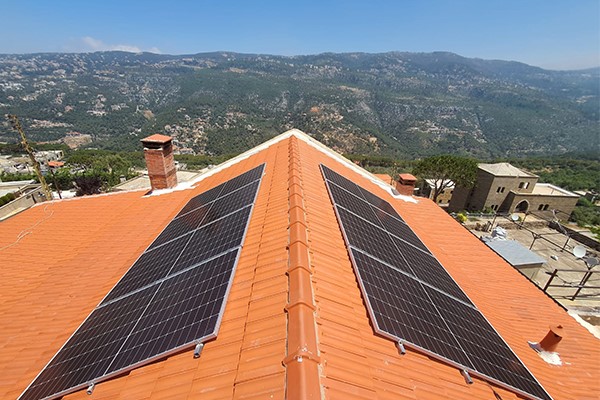
For the individual property owner, the journey toward energy independence typically begins with a robust residential installation. The core of this system is the energy retention unit, which must be safe, modular, and long-lasting. The Sunway 15kWh-16kWh Residential Energy Storage Battery represents the current industry benchmark for residential capacity and safety. Utilizing advanced LFP chemistry, this unit offers homeowners the ability to capture surplus solar power generated during the peak of the day for use during nighttime or grid-outage scenarios.
When homeowners invest in high-quality lifepo4 battery storage, they are prioritizing a chemistry known for its superior thermal stability and extended cycle life. Unlike older battery technologies, this system allows for consistent depth-of-discharge, meaning that the capacity available to the household remains predictable over many years. This 16kWh unit is not merely a backup power source; it is an intelligent asset that communicates with the home’s hybrid inverter to optimize utility billing cycles and reduce reliance on the macro-grid. As household energy needs grow—perhaps through the addition of electric vehicle charging or expanded home offices—these residential units can be connected in parallel, allowing for a seamless transition from a single-cabinet system to a more complex, multi-battery array that mimics the reliability of professional-grade infrastructure.
Scaling Up: The Transition to Industrial Demands
While the residential sector focuses on space-saving footprints and aesthetic integration, the industrial sector demands raw performance and sustained power throughput. The leap from a single residential cabinet to a 500kw battery storage system is a significant operational milestone. At this scale, the engineering focus shifts from simple energy retention to the management of large-scale frequency regulation, peak shaving, and microgrid stabilization.
For Engineering, Procurement, and Construction (EPC) firms, the challenge lies in maintaining the same level of reliability found in residential units while scaling for megawatts of potential output. Sunway Solar addresses this by applying rigorous manufacturing standards across their entire product portfolio. A 500kW system is designed as a centralized, outdoor-hardened power hub. It incorporates not only the battery modules themselves but also the sophisticated Power Conversion System (PCS), thermal management controllers, and fire suppression systems required to operate safely in an industrial setting. Transitioning to this scale allows businesses to turn their energy infrastructure into a revenue-generating asset, participating in demand response programs and insulating manufacturing processes from the volatility of regional utility pricing.
Thermal Management and Operational Longevity
Whether dealing with a 16kWh home unit or an industrial-grade cabinet, thermal management is the primary factor that dictates the lifespan of the hardware. The beauty of modern lifepo4 battery storage lies in its ability to be managed by intelligent software. In the residential 16kWh unit, the Battery Management System (BMS) ensures that every individual cell is balanced, preventing overcharging and excessive heat generation. This same commitment to thermal precision is magnified in the 500kw battery storage configurations offered by Sunway Solar.
At the industrial level, thermal regulation often requires active cooling protocols. While a home system might rely on natural or forced-air circulation, a megawatt-scale cabinet uses intelligent controllers to modulate internal airflow, keeping the high-density racks within their optimal temperature envelope. This consistency is vital for industrial stakeholders. By preventing localized hotspots within the battery array, the system ensures that the facility maintains its round-trip efficiency throughout the lifetime of the contract. For procurement managers, this longevity is the most important factor in the project’s financial model, as it minimizes the need for premature component replacement and maximizes the internal rate of return on the capital investment.
Future-Proofing Energy Infrastructure
As we look toward the remainder of the decade, the integration of energy storage will be the defining feature of successful modern properties. The synergy between residential solutions, like the Sunway 16kWh unit, and massive industrial power hubs, creates a comprehensive ecosystem where energy can be generated and managed at every level. By choosing a manufacturer that supports both ends of the spectrum, developers can ensure that their technical documentation, commissioning software, and after-sales support frameworks remain consistent throughout their entire project portfolio.
The transition toward clean energy is a long-term commitment. Whether a property owner is just beginning with their first rooftop solar array or an EPC firm is breaking ground on a new commercial campus, the reliance on high-quality, factory-tested hardware is the only path to genuine resilience. Sunway Solar provides the technical backbone for this transition, offering the modularity needed for home energy growth and the robust, centralized power required for industrial-scale stabilization. By prioritizing these intelligent storage solutions, stakeholders are not just preparing for the energy needs of today; they are actively building the sustainable, resilient grids of tomorrow. As decentralized power continues to prove its value, the ability to scale your storage strategy from the rooftop to the grid will remain the ultimate marker of effective energy management.