Driving Business Growth: Strategies in Digital Marketing and Customer Communication

Understanding the Landscape of Modern B2B Services
In today’s interconnected business world, B2B services are the unseen forces powering global commerce. They are crucial for nearly every industry, from manufacturing to digital marketing. The B2B e-commerce market was a massive $18,665.5 billion in 2023. Experts predict it will grow by about 18.2% annually through 2030. This highlights the huge and growing importance of these business-to-business relationships.
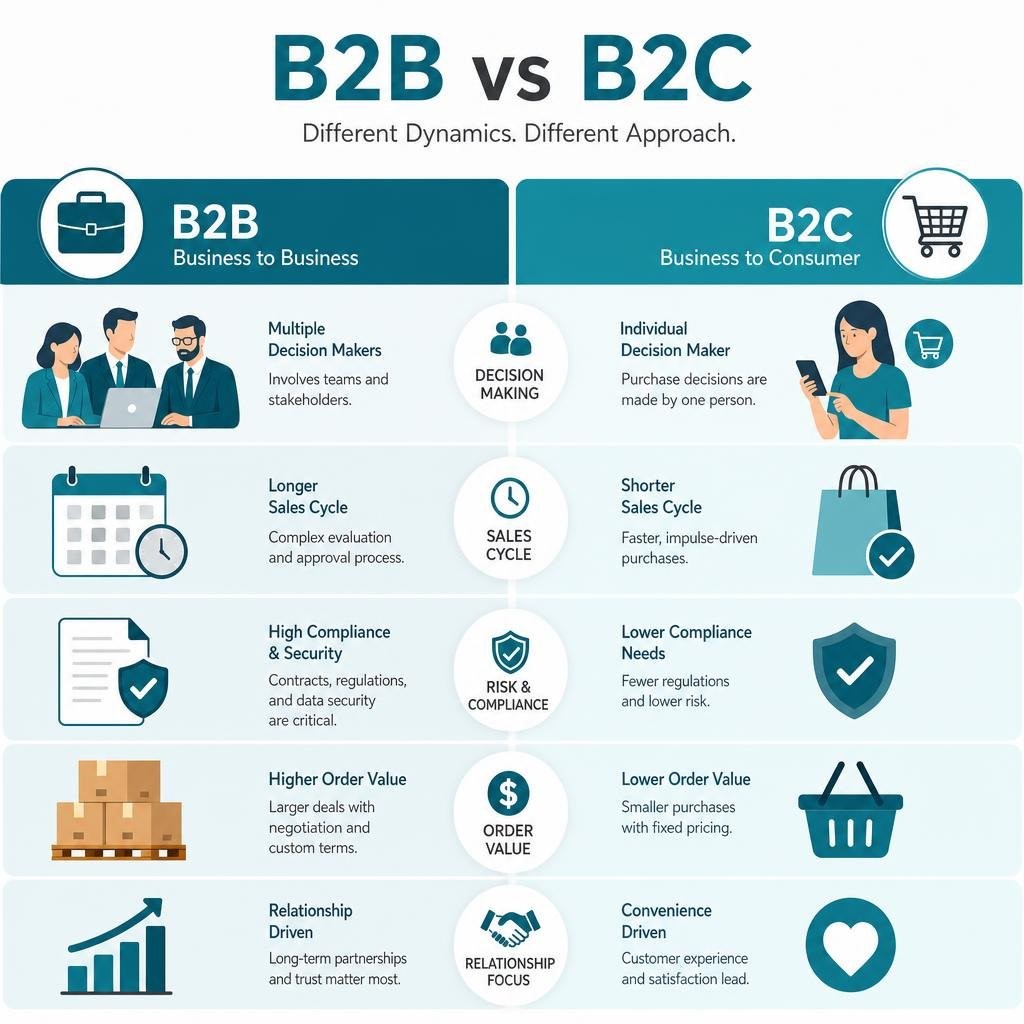
We understand that navigating this complex landscape can be challenging. Unlike B2C services, B2B transactions involve many decision-makers and longer sales cycles. They also demand high levels of compliance and security.
We will explore the core types of B2B services. We’ll show how they support vital business operations, such as supply chains and procurement. We will also look at the main challenges B2B providers face. We’ll then see how digital tools, such as advanced portals and automation, are boosting efficiency. For companies aiming to improve their online presence and operational tools, investing in solutions like custom B2B web development is key. Furthermore, we will discuss how building trust and authority, especially in an AI-driven market, is more important than ever. Finally, we’ll review effective engagement models and the metrics used to measure success.
Business-to-Business (B2B) services encompass a wide range of offerings in which one company provides products or services to another. This stands in stark contrast to Business-to-Consumer (B2C) services, which target individual end-users. The fundamental difference lies in the customer: in B2B, the client is an organization with specific operational needs, strategic goals, and often, complex procurement processes.
B2B services are the gears that keep the global economy turning. They are integral to every stage of the supply chain, from sourcing raw materials and manufacturing components to logistics, distribution, and even marketing and sales support. For instance, a manufacturer relies on B2B services for everything from machinery maintenance to enterprise software. Procurement departments leverage these services to acquire necessary goods and expertise, ensuring smooth business operations and strategic advantage. Without robust B2B service ecosystems, modern supply chains would grind to a halt, and businesses would struggle to maintain efficiency, innovate, or even exist.
Here’s a comparison of key dynamics between B2B and B2C service models:
Feature B2B Services B2C Services CustomerOrganizations, businesses, institutions Individual consumers Decision-Making Multiple stakeholders, formal processes, committees Individual choice, emotional drivers Sales Cycle Long (weeks to months), complex, relationship-driven Short, impulse-driven, transactional MotivationROI, efficiency, strategic advantage, problem-solving Personal benefit, entertainment, convenience Volume Lower transaction volume, higher value per transaction High transaction volume, lower value per transaction RelationshipLong-term, partnership-focused, ongoing support Often short-term, transactional MarketingContent-driven, educational, direct sales, LinkedIn Mass media, social media, emotional appeal Core Types of B2B Services in 2026
The B2B services landscape is incredibly diverse, evolving constantly to meet the dynamic needs of businesses. In 2026, several categories are expected to dominate the market.
Global Business Services (GBS) is a prime example, offering centralized and standardized support functions across an organization’s global footprint. Companies like Siemens, through their Global Business Services division, provide services across finance and procurement, HR, marketing, and IT, enabling businesses to achieve goals and overcome operational constraints. These services are often about achieving efficiency and leveraging specialized expertise on a global scale.
Labor Services connect businesses with the talent they need. This includes recruitment, staffing, payroll management, and even specialized project-based teams. Whether a growing business needs to strengthen its workforce or a company requires niche skills for a specific project, B2B labor services act as a vital bridge. For example, some providers specialize in creating and managing offshore teams, offering solutions like “India as a Service” to help companies build and run high-performance teams in India, leveraging a vast talent pool and cost efficiencies for global growth.
Digital Marketing Services have become indispensable. In an increasingly online world, businesses rely on B2B digital marketing firms to generate leads, build brand awareness, and drive sales. This includes SEO, pay-per-click (PPC) advertising, content marketing, social media management, and marketing automation. Given that B2B buyers now consume an average of 4.5 pieces of content before speaking to a salesperson, a robust digital presence is non-negotiable.
Beyond these, other critical B2B services include:
- Regulatory and Motor Vehicle (RMV) B2B Services: Specialized services for bulk processing of vehicle registrations, titles, and other transactions for auto dealers and insurance agents, often involving dedicated drop-off/pick-up locations and digital tracking tools.
- Insurance Services: Business insurance, employee benefits, and risk management solutions tailored for corporate clients.
- Software as a Service (SaaS):Cloud-based software solutions for CRM, ERP, project management, and countless other business functions.
- Consulting Services: Strategic advice on management, technology, operations, and more.
- Financial Services: Corporate banking, payment processing, accounting, and auditing.
Real-World Examples of B2B Transactions
B2B transactions are the invisible threads weaving together the fabric of modern commerce. They occur at every level of industry, forming intricate networks of supply and demand.
Consider the automotive industry, a prime example where B2B relationships are the backbone of production. Vehicle manufacturers rarely produce every single component themselves. Instead, they purchase tires from one supplier, batteries from another, electronic systems from a third, and upholstery from yet another. These independent component manufacturers are B2B service providers and product suppliers, whose transactions with auto assemblers are critical for bringing a car to market.
Another compelling illustration is the relationship between tech giants. As of fiscal year 2022, Samsung is one of Apple’s largest suppliers of iPhone components, providing crucial components such as screens and memory chips. This complex B2B relationship extends further, with Apple also engaging with firms such as Intel, Panasonic, and Micron Technology for various components. These are not sales to individual consumers but massive, high-stakes transactions between corporations.
In the realm of SaaS, a company providing cloud-based customer relationship management (CRM) software to thousands of businesses is engaging in B2B service provision. Similarly, a digital marketing agency offering SEO services to a law firm or a manufacturing company operates in the B2B sphere. Even a wholesaler selling goods in bulk to a retailer, who then sells to consumers, is part of a B2B transaction chain. These examples underscore the pervasive nature and immense scale of B2B interactions that facilitate virtually all economic activity.
Overcoming Operational Challenges in Service Delivery
The B2B service landscape, while lucrative, is not without its significant hurdles. Providers often contend with unique operational challenges that demand strategic foresight and robust solutions. Key among these are inherently long sales cycles, potential customer concentration risk, and the sheer complexity of delivering specialized services. These factors combine to create an environment where businesses must be exceptionally agile and resilient to thrive.

Unlike B2C purchases, which are often quick and emotionally driven, B2B decisions are strategic investments with significant implications, leading to extensive evaluation periods. This means B2B service providers must master the art of nurturing relationships and demonstrating long-term value. Understanding the buyer’s journey and mapping your services to their evolving needs is paramount for increasing revenue and ensuring client satisfaction.
Managing Long Sales Cycles and Stakeholder Alignment
One of the most defining characteristics of B2B services is the extended sales cycle. The average B2B purchase involves 6–10 stakeholders and can take anywhere from 3–6 months to close. This prolonged timeline is a direct result of the higher stakes involved; businesses are making significant investments that impact their operations, finances, and strategic direction. Consequently, decisions are rarely made by a single individual but rather by a committee or cross-functional team, each member with their own priorities and concerns.
This multi-stakeholder environment introduces significant procurement friction. Each stakeholder needs to be convinced of the value, ROI, and reliability of the proposed service. This necessitates a comprehensive and consistent communication strategy that addresses varied perspectives, from technical requirements to financial implications and strategic fit. Effectively navigating these complex internal dynamics requires a deep understanding of the client’s organizational structure and decision-making process. Developing an impactful B2B marketing funnel that guides these diverse stakeholders through awareness, consideration, and decision stages is crucial for converting prospects into long-term partners.
Compliance, Security, and Data Management in B2B Services
In the B2B world, the stakes for compliance, security, and data management are exceptionally high. Service providers often handle sensitive corporate data, intellectual property, and even personal information of their clients’ employees or customers. This requires strict adherence to regulatory frameworks and industry standards.
For instance, companies operating in Europe or dealing with European data must comply with the General Data Protection Regulation (GDPR), which imposes strict rules on data processing and privacy. Similarly, healthcare-related B2B services in the United States must adhere to HIPAA (Health Insurance Portability and Accountability Act) regulations to protect patient health information. Beyond these, numerous industry-specific compliance requirements exist, ranging from financial regulations to cybersecurity standards like ISO 27001.
To manage these complexities, B2B service providers rely heavily on secure portals, robust data encryption, and advanced access controls. These measures ensure that data is protected both in transit and at rest, and that only authorized personnel can access sensitive information. The integration of AI-powered B2B Services is also becoming increasingly vital in this domain. AI can enhance security protocols through advanced threat detection, automate compliance checks, and streamline data governance, offering proactive protection against breaches and regulatory non-compliance. This proactive approach is essential for building and maintaining the trust that underpins successful B2B relationships.
Leveraging Digital Tools and E-Commerce Platforms for Efficiency
The digital transformation has profoundly reshaped how B2B services are delivered and consumed. E-commerce platforms, digital trackers, and automation tools are no longer luxuries but essential components for driving efficiency, streamlining operations, and enhancing the customer experience. These technologies empower B2B companies to manage complex transactions, improve communication, and scale their services more effectively than ever before.
The growth of the B2B e-commerce market, projected to reach unprecedented levels by 2030, underscores this shift. Businesses are increasingly comfortable conducting complex transactions online, demanding the same level of convenience and transparency they experience in their personal lives. This digital evolution also brings specific considerations, such as understanding that B2B online sellers often don’t need to worry about sales tax nexus in the same way B2C companies might, simplifying certain aspects of digital expansion.
The Role of Portals and Automation in Modern Workflows
Central to this digital efficiency are sophisticated partner portals and automation. These platforms serve as centralized hubs where clients can access services, track progress, manage accounts, and communicate securely. For example, a B2B portal for an insurance provider might allow agents to process claims, verify coverage, and access policy information instantly. Similarly, an RMV B2B tracker enables auto dealers to monitor the processing of bulk transactions, providing real-time visibility and reducing administrative overhead.
Automation, often integrated within these portals, further optimizes workflows. Electronic Data Interchange (EDI)facilitates the automated exchange of business documents, such as purchase orders and invoices, between systems, eliminating manual entry errors and speeding up transaction times. Electronic Funds Transfer (EFT) automates payments, ensuring timely and secure financial settlements. For businesses looking to create seamless, integrated digital experiences for their clients, investing in custom B2B web development is crucial. This allows for the creation of bespoke portals and systems that perfectly align with unique operational needs and deliver a superior user experience, ultimately enhancing client satisfaction and retention.
Tax Compliance and Financial Integration
Navigating tax compliance in the B2B landscape can be particularly intricate, especially for services that cross state or international borders. Understanding nuances like sales tax and use tax from a B2B perspective is vital. Unlike B2C transactions, where sales tax is typically straightforward, B2B services often involve exemptions, resale certificates, or specific regulations for designated professional services that might be subject to reduced sales and use tax.
Effective financial integration, often facilitated by digital platforms, helps manage these complexities. Automated systems can track transactions, apply correct tax rates based on jurisdiction and service type, and generate compliance reports. This reduces the administrative burden and minimizes the risk of costly errors or audits. By leveraging integrated financial tools, B2B service providers can ensure accurate tax calculations, streamline invoicing, and maintain transparent financial records, all of which are critical for operational integrity and client trust.
Building Trust and Authority in an AI-Driven Market
In the competitive landscape of B2B services, trust and authority are paramount. However, the rise of AI in buyer research has introduced a new dimension to how these qualities are perceived and established. B2B buyers now conduct 60-80% of their evaluation online, often consulting AI engines and generative search tools before ever engaging with a sales representative. This means that a firm’s “AI authority” – how clearly and credibly its value is interpreted by both human buyers and artificial intelligence – has become a critical factor in shortening sales cycles and winning business.
This new reality requires a strategic approach to ensure that a firm’s identity, credibility, and visibility signals are consistently optimized for AI evaluation. The goal is to build trust and establish authority long before the first meeting, ensuring that when buyers or AI tools search for solutions, your firm stands out as the clear expert. For B2B service firms, understanding and engineering this AI authority is no longer optional; it’s a strategic imperative.
Content Strategy and Thought Leadership
At the heart of building AI authority is a robust content strategy and a commitment to thought leadership. B2B buyers are looking for solutions to complex problems, and they turn to content to educate themselves. This means creating high-quality, intent-matched content that addresses their pain points, offers insights, and demonstrates expertise.
Content marketing, including blog posts, whitepapers, case studies, and webinars, establishes topical authority. It shows that your firm deeply understands its niche and can provide valuable guidance. Case studies, in particular, are powerful credibility signals. They offer verifiable proof of past successes, showcasing outcomes, repeatable frameworks, and how your expertise translates into tangible results for clients. Firms like Purplepatch emphasize building a repeatable content engine focused on differentiation and trust, rather than one-off campaigns, to strengthen market position over time. Furthermore, clear messaging is crucial for your B2B business, ensuring your unique value proposition is easily understood by both human and AI evaluators.
Optimizing for Generative Engine Visibility
As AI-powered search engines and large language models (LLMs) become central to B2B buyer research, optimizing for “generative engine visibility” is increasingly crucial. This involves more than traditional SEO; it encompasses Answer Engine Optimization (AEO) and Generative Engine Optimization (GEO).
AEO focuses on structuring content and schema markup so that AI-powered search engines can easily extract direct answers to user queries. This means providing clear, concise, and authoritative information that AI tools can confidently present as a definitive response. GEO, on the other hand, involves optimizing content so it can be understood and leveraged by LLMs, ensuring that when these models synthesize information or generate summaries, your firm’s expertise and offerings are accurately represented.
Achieving high visibility in AI search results requires a comprehensive website strategy for B2B success, focusing on optimizing user experience and technical SEO. This includes using structured data, creating comprehensive topic clusters, and ensuring content is not only human-readable but also AI-parsable. By mastering AEO and GEO, B2B service firms can ensure they are visible and credible at the very beginning of the buyer’s journey, influencing the initial AI-driven shortlisting process.
Structuring Engagement Models and Measuring Success
The way B2B services are packaged and delivered has a significant impact on client relationships and financial predictability. Diverse engagement models cater to different client needs, project scopes, and risk appetites. Common models include:
- Retainers: A fixed monthly fee for ongoing services, providing predictable revenue for the provider and consistent support for the client.
- Revenue-Share: A model where the provider’s compensation is tied to a percentage of the revenue or savings generated for the client, often combined with milestone-based KPIs.
- Pilots: Short-term, often reduced-cost engagements designed to demonstrate value before a larger commitment, such as a 3-month starter team model.
- Subscriptions: Recurring payments for access to a service or software, typical for SaaS offerings.
- Project-Based: Fixed-price contracts for specific deliverables or projects.
The choice of model often depends on the service type, the client’s maturity, and the desired level of partnership. Many firms are now enhancing these models with AI-enhanced B2B services, leveraging artificial intelligence to optimize delivery, personalize client interactions, and provide deeper insights, thus adding greater value to each engagement.
Key Performance Indicators for Service Providers
Measuring success in B2B services goes beyond simple revenue figures. A robust set of Key Performance Indicators (KPIs) is essential for tracking progress, demonstrating value, and driving continuous improvement. These metrics span sales, marketing, operations, and customer satisfaction.
Critical KPIs often include:
- Return on Investment (ROI):Quantifying the financial benefits generated for clients is a crucial metric for B2B justification.
- Pipeline Value and Velocity: Tracking the total value of potential deals and the speed at which they move through the sales funnel.
- Customer Acquisition Cost (CAC):The cost associated with acquiring a new client.
- Customer Lifetime Value (CLTV):The total revenue a business can expect from a single client account over the duration of the relationship.
- Customer Retention Rate: The percentage of clients retained over a given period, highlighting long-term relationship success.
- Service Delivery Metrics: Such as project completion rates, adherence to Service Level Agreements (SLAs), and client satisfaction scores (e.g., NPS).
These KPIs not only help service providers assess their own performance but also enable them to communicate tangible value to their clients. For instance, a B2B Marketing as a Service provider would track metrics like lead quality, conversion rates, and the impact of marketing activities on the client’s sales pipeline, demonstrating their contribution to the client’s bottom line. By focusing on these measurable outcomes, B2B service firms can build stronger partnerships and ensure sustainable growth.
Frequently Asked Questions about B2B Services
What are the primary differences between B2B and B2C services?
The primary differences lie in the target audience, sales cycle, and transaction volume. B2B services cater to organizations, involve multiple stakeholders, and feature longer, more complex sales cycles focused on ROI and strategic value. B2C services target individual consumers, often with shorter, more emotionally driven sales cycles and higher transaction volumes at lower individual values.
How do digital portals improve B2B service delivery?
Digital portals significantly improve B2B service delivery by offering automation, enhanced tracking, and secure communication. They centralize access to services, enable clients to monitor project progress or transaction status in real time, and provide a secure environment for exchanging sensitive information, ultimately boosting efficiency and client satisfaction.
Why is AI authority becoming critical for B2B service firms in 2026?
AI authority is critical in 2026 because B2B buyer research increasingly starts with AI search engines and generative models. Firms that effectively engineer their identity, credibility, and visibility signals for AI evaluation will be more favorably interpreted and shortlisted by both AI tools and human decision-makers, shortening sales cycles and building trust early in the buyer’s journey.
Conclusion
The B2B services sector is a dynamic and essential component of the global economy, characterized by its complexity, strategic importance, and rapid evolution. From supporting intricate supply chains and managing critical business operations to leveraging cutting-edge digital marketing and AI-driven insights, B2B services are the engine of corporate growth. We’ve explored the fundamental distinctions from B2C, the diverse service types available, and the critical challenges that demand robust solutions.
The strategic adoption of digital tools, e-commerce platforms, and automation is not just improving efficiency; it is reshaping the very nature of B2B interactions. Furthermore, in an increasingly AI-driven market, building trust and authority through optimized content and greater visibility for generative engines is paramount for success. By understanding these dynamics, embracing innovative engagement models, and meticulously measuring success through relevant KPIs, B2B service providers can navigate this complex landscape and drive significant value for their clients. As businesses continue to seek specialized expertise and operational efficiencies, the role of B2B services will only grow, making strategic partnerships with firms like Inbound Design Partners, who specialize in creating effective digital strategies, more vital than ever.