Can Missing Drip Edge Cause Gutter and Roof Leaks?
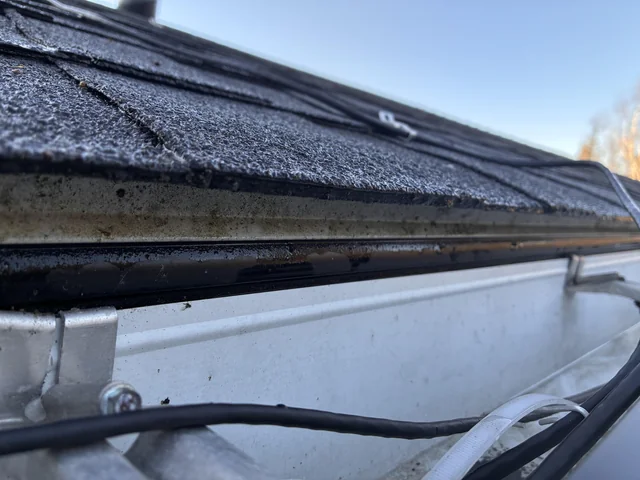
A drip edge is a small but crucial component of any roofing system, designed to direct water away from the fascia and into the gutters. Despite its simple appearance, the absence of a drip edge can lead to significant problems for homeowners, including water infiltration, wood rot, and even structural damage. Many people overlook the importance of this metal flashing, assuming that shingles alone are enough to protect their roof and gutters. However, missing or improperly installed drip edge can compromise the entire roofing system, leading to leaks and costly repairs. Understanding the role of drip edge and the risks associated with its absence is essential for maintaining a durable and leak-free roof.
Why Drip Edge Matters for Your Roof
How Drip Edge Prevents Water Damage
Drip edge serves as a protective barrier that channels rainwater away from the roof’s edge and into the gutter system. Without this metal flashing, water can seep underneath the shingles and reach the wooden components of the roof, such as the decking and fascia boards. Over time, this moisture exposure can cause the wood to rot, weaken, and eventually fail. The absence of a drip edge also allows water to bypass the gutters entirely, leading to pooling around the foundation and potential basement leaks. In climates with heavy rainfall or snow, the risk of water infiltration increases significantly when a drip edge is missing. Properly installed drip edge ensures that water flows smoothly off the roof, reducing the likelihood of leaks and extending the lifespan of the roofing materials.
The Connection Between Drip Edge and Gutter Leaks
When a roof lacks a drip edge, gutters are often the first components to show signs of trouble. Water that should be directed into the gutters instead runs behind them, causing the fascia to become saturated and eventually rot. This not only weakens the structural integrity of the gutter system but also creates gaps where water can escape and leak down the exterior walls. Over time, these leaks can lead to staining, mold growth, and even damage to the home’s foundation. Homeowners in the Kingsport area often seek a Roofing Company Kingsport TN to address these issues, as professional installation of drip edge is essential for preventing gutter leaks. Ensuring that the drip edge is properly aligned with the gutters is a critical step in maintaining a watertight roofing system and protecting the home from water-related damage.
Signs That Your Roof Is Missing Drip Edge
Homeowners may not immediately notice the absence of a drip edge, but there are several warning signs that can indicate a problem. One of the most common indicators is water staining or streaking on the fascia boards or siding, which suggests that water is not being properly directed into the gutters. Another sign is the presence of rot or mold around the roof’s edge, particularly near the gutters. In some cases, shingles may appear to be curling or lifting at the edges, as water seeps underneath and compromises the adhesive. During heavy rain, you might observe water dripping behind the gutters or pooling near the foundation, both of which are signs that the drip edge is missing or improperly installed. Addressing these issues promptly can prevent more extensive damage and costly repairs down the line.
Short-Term and Long-Term Risks
The absence of a drip edge can lead to both immediate and long-term problems for homeowners. In the short term, water infiltration can cause visible leaks, staining, and damage to the interior walls and ceilings. Over time, the continuous exposure to moisture can result in wood rot, mold growth, and even structural damage to the roof and supporting framework. These issues not only compromise the safety and comfort of the home but can also decrease its value and curb appeal. Regular inspections and timely repairs are essential for identifying and addressing drip edge issues before they escalate into more serious problems.
Repairing and Installing Drip Edge
Repairing or installing a drip edge is a task that requires attention to detail and proper technique. The process involves lifting the shingles along the roof’s edge, positioning the metal flashing so that it extends over the fascia and into the gutter, and securing it with roofing nails. It is important to ensure that the drip edge overlaps at the corners and that there are no gaps where water can penetrate. In some cases, damaged or rotted fascia boards may need to be replaced before the drip edge can be installed. Homeowners should also check that the gutters are securely attached and properly aligned with the new drip edge. While some may attempt this as a do-it-yourself project, professional installation is recommended to ensure a watertight seal and long-lasting protection.
Drip Edge and Roof Longevity
A properly installed drip edge plays a significant role in extending the life of a roof. By directing water away from vulnerable areas, it helps prevent the gradual deterioration of roofing materials and structural components. This not only reduces the need for frequent repairs but also helps maintain the appearance and value of the home. In regions with harsh weather conditions, such as heavy rain, snow, or ice, the presence of a drip edge becomes even more critical. Regular maintenance, including inspections after storms and cleaning of gutters, can help ensure that the drip edge remains effective and that the roof continues to provide reliable protection for years to come.
Beyond the obvious aesthetic concerns, a missing or damaged drip edge leaves the underlying structural components of your home exposed to persistent moisture. When water isn’t effectively channeled into the trough, it tends to cling to the shingles and wick upward into the roof deck or run directly down the fascia boards. Homeowners considering a professional gutter install sauk rapids should prioritize the correct alignment of these flashing components to ensure long-term stability. This protective barrier is essential for sealing the gap where the roof meets the walls, effectively blocking pests from entering the attic space. Without it, the cycle of rot and deterioration can quietly compromise the integrity of your home’s exterior.
Conclusion
Missing drip edge is a common but often overlooked issue that can lead to significant gutter and roof leaks. The absence of this simple metal flashing allows water to infiltrate the roof’s edge, causing rot, mold, and structural damage over time. Homeowners who notice signs of water damage, such as staining, mold, or leaks near the gutters, should act quickly to address the problem. Proper installation and maintenance of drip edge are essential for protecting the home from water-related issues and preserving the integrity of the roofing system. Regular inspections and timely repairs can help prevent costly damage and ensure that the roof and gutters continue to function as intended, providing lasting protection for the home.