The IPL Effect: How One League Redefined India’s Sporting Calendar
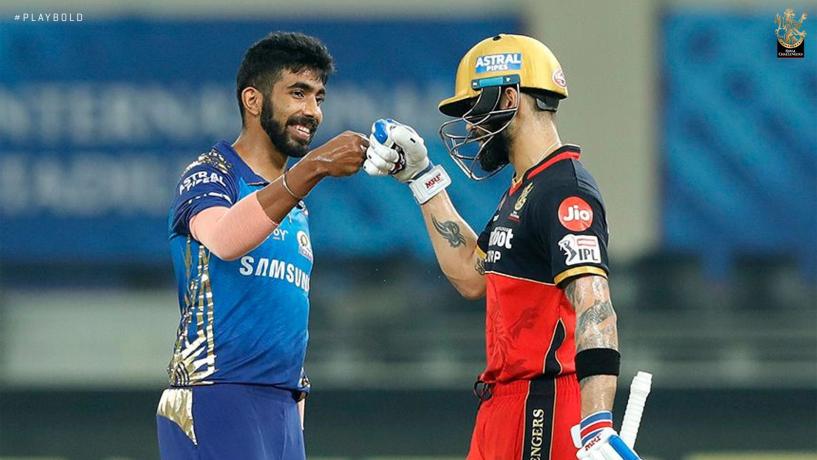
For a long time, India’s sporting year had a familiar rhythm. Domestic tournaments through the winter, a big international series or two, then a quiet patch before the next tour. The Indian Premier League did not just squeeze itself into that rhythm. It rewrote it.
Every April, life in India now bends around evening fixtures. Office meetings end a little earlier, tuition classes shift by half an hour, and family WhatsApp groups light up with memes about powerplays and last over finishes. The IPL has become less of a tournament and more of a season in itself, a block of time that shapes how people plan their days, their spending, even their travel.
What started as a bold experiment in 2008 has turned into the anchor of the Indian sporting calendar. International series are scheduled around it. Other leagues avoid clashing with it. Even non cricket brands time their campaigns to ride the wave of attention that the league guarantees.
From summer gap to summer habit
Before the IPL, the Indian summer was often a lull for mainstream sport. Stadiums baked in the heat, and fans mostly followed overseas tours on television. The league flipped that script by turning the hottest months into prime time.
Night games made it easier to watch after work. Shorter matches meant you could fit an entire contest between dinner and bedtime. Over time, that created a powerful habit loop. People began to associate April and May with a daily dose of high intensity cricket, celebrity sightings, and city based rivalries.
That habit spilled into other parts of life. Fantasy contests, prediction games, and casual wagers among friends became part of the viewing ritual. For many fans, checking scores, stats, and cricket conversations and match-day habits is now as routine as scrolling social media during a timeout. The league did not just fill a gap in the calendar. It trained a generation to expect sport as a daily appointment.
UPI and instant payments added another layer. Splitting a food order during a match, sending a small stake to a friend for a friendly challenge, or joining a fantasy contest became frictionless. The financial infrastructure evolved in parallel with the league, making it easier for fans to participate, not just watch.
City loyalties, festival energy
One of the IPL’s biggest tricks was to borrow the emotional intensity of local rivalries and mix it with the scale of a national festival. Fans in Chennai, Kolkata, Mumbai, or Jaipur suddenly had a team that felt like an extension of their city identity. That changed how people talked about the season.
Instead of saying “India is playing tonight”, it became “we are playing tonight”. Office banter shifted from national team debates to arguments about which franchise had the better death bowling or smarter auction strategy. Jerseys appeared in metro trains, college canteens, and small town markets. The league turned city pride into a recurring event.
The festival feeling is not just in the stadiums. Housing societies set up big screens in the courtyard. Cafes run match night offers. Families plan get togethers around key fixtures. The calendar effect is visible in small details: fewer weddings on big match days, lighter traffic during evening games in some cities, and a noticeable spike in food delivery volumes when a blockbuster clash is on.
How formats and rules reshaped expectations
The IPL did not only change when India watches sport. It changed what India expects from sport. Powerplays, strategic timeouts, impact players, and auction dynamics have become part of everyday vocabulary. Fans who grew up on this league see sport through a different lens.
They are used to constant action, clear storylines, and high stakes every night. That expectation has pushed other tournaments to adapt. Domestic competitions have experimented with tweaks to stay relevant. Broadcasters have leaned into graphics, data, and storytelling to match the pace that IPL viewers now take for granted.
The evolution of the IPL format has also influenced how people think about careers in sport. Young cricketers plan their year around the league window, hoping for a contract that can change their life. Support staff, analysts, and content creators treat the season as their busiest period, often preparing months in advance. The league has effectively created a second professional peak in the year, parallel to international cricket.
Beyond cricket: a template for Indian sport
The IPL effect is no longer limited to cricket. Kabaddi, football, and even emerging sports have tried to build franchise-based leagues with compact windows, prime time slots, and city centric branding. Not all have matched the scale, but the template is clear: create a season that people can plug into daily, not just occasionally.
For broadcasters and digital platforms, the league is a stress test and a showcase. Peak concurrency numbers, streaming innovations, and second screen experiences are often rolled out or refined during this window. If something works in April and May, it usually finds a place in the broader sports calendar.
For fans, the impact is simpler and more personal. The year is now mentally divided into pre IPL, IPL, and post IPL. Summer holidays for students are planned with match schedules in mind. Working professionals negotiate late evening calls more carefully during the season. Even those who claim to be tired of the noise often find themselves checking a scorecard in the final over.
The IPL did not just add another tournament to India’s sporting landscape. It rewired how time, attention, and emotion are distributed across the year. As long as evenings in April still feel incomplete without a toss, a team sheet, and a chase under lights, the league will remain the reference point around which the rest of the sporting calendar quietly adjusts.