Preserving History Through Digital Audio Storytelling
The Magic of Digital Audio Storytelling in Preserving Our Shared Heritage
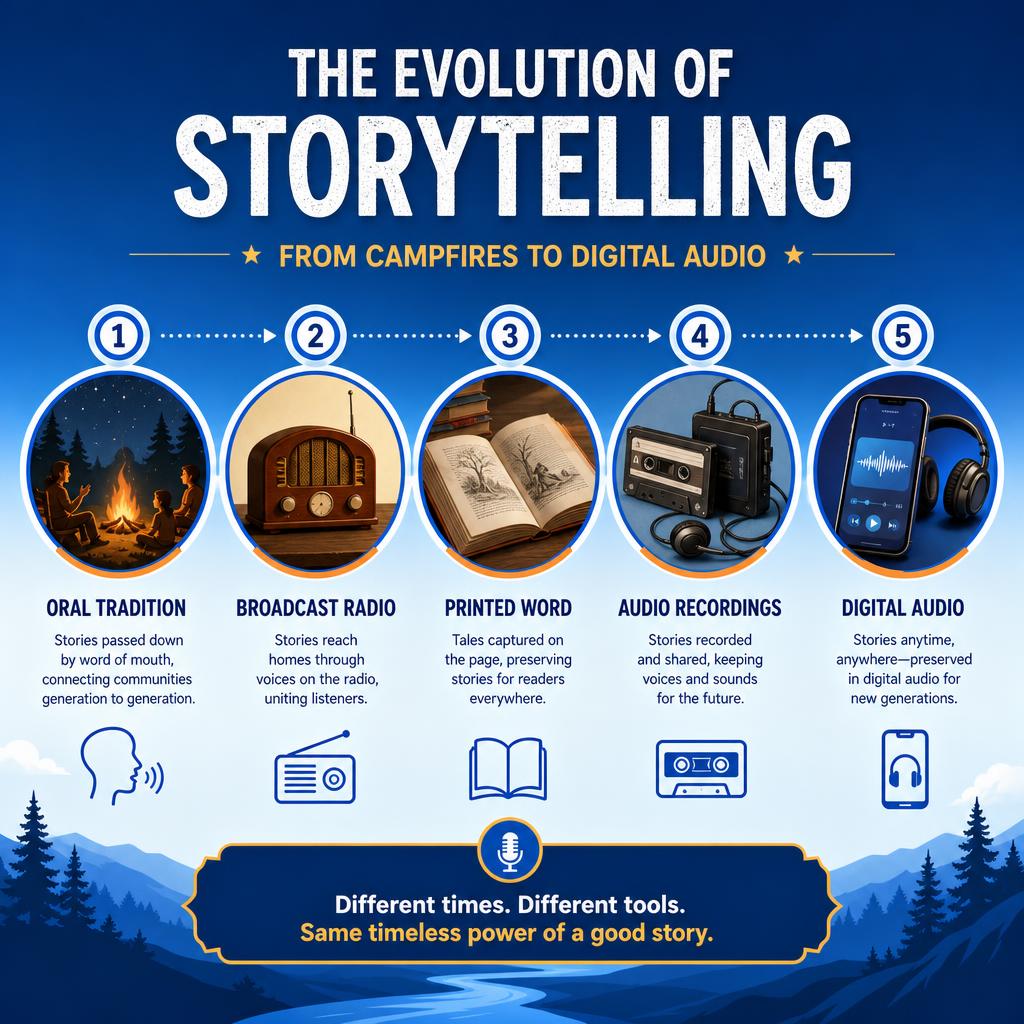
We all cherish stories. From the crackling warmth of a campfire to the shared intimacy of a family gathered around a radio, storytelling has always been how we pass down history, values, and identity. These tales connect us across generations, creating a sense of community and shared memories.
Our nation’s tapestry is woven with the vibrant threads of American folklore characters. These legendary figures, whether larger-than-life heroes or mysterious creatures, reflect the dreams, struggles, and humor of generations past. They are more than just stories; they are the heartbeats of our cultural heritage.
But how do we ensure these vital narratives resonate with today’s audiences? The answer lies in the evolving landscape of storytelling. Just as tales moved from spoken word to printed page, they now find new life in the digital realm, allowing us to delve into the lives of these Digital audio storytelling folklore characters in exciting new ways.
In this listicle, we will journey through the fascinating world of American folklore. We will explore iconic characters and uncover how digital audio storytelling is breathing fresh air into these timeless legends. Join us as we discover how these narratives are being preserved and shared, inviting new listeners to connect with our rich past.
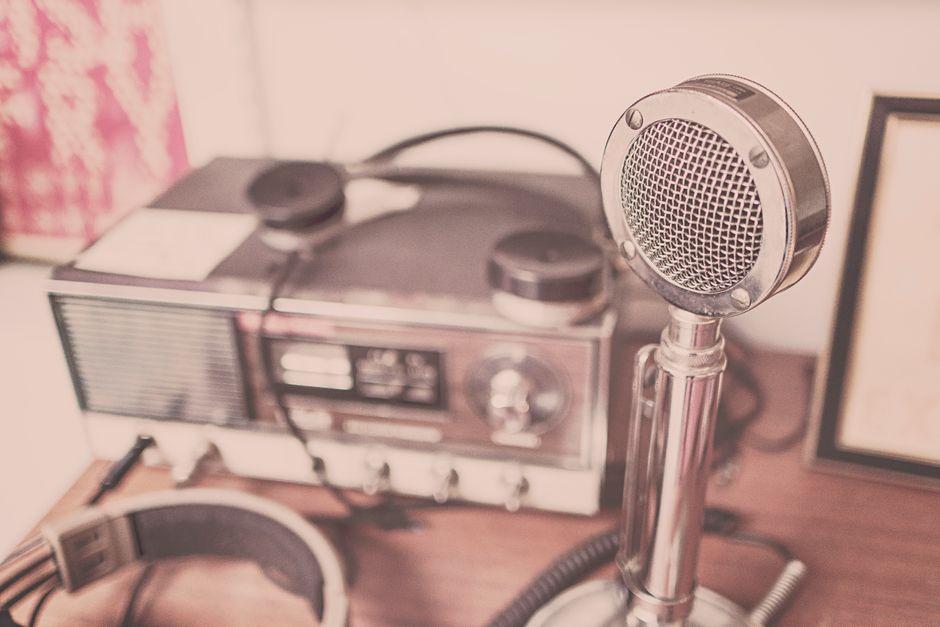
In an age dominated by visual media, the power of sound often goes underestimated. Yet, digital audio storytelling offers a uniquely immersive and intimate way to experience folklore. It harks back to the original oral traditions, where the human voice, inflections, and pauses were central to conveying emotion and meaning. By capturing these elements, digital audio breathes life into characters and narratives that might otherwise feel distant on a page.
Consider the warmth of a narrator’s voice guiding you through a tale, or the subtle sound design that transports you to a dense forest or a bustling frontier town. This medium allows for a deeply personal connection, enabling listeners to conjure their own mental images, making the story uniquely theirs. It’s a powerful tool for cultural preservation, ensuring that the nuances of regional accents, traditional music, and historical soundscapes are not lost to time. The American Folklore Society (AFS), founded in the late 1800s, recognized the importance of studying diverse folk traditions, including Native American music and oral histories. Today, digital audio tools provide an unprecedented opportunity to expand on these efforts, archiving and disseminating these invaluable cultural legacies to a global audience.
Digital audio platforms make these stories accessible to anyone, anywhere, fostering a renewed appreciation for our shared heritage. They bridge the gap between traditional storytelling and modern consumption habits, inviting new generations to discover the wisdom, humor, and wonder embedded in our folklore.
Bringing Tall Tales and Frontier Heroes to Life for a New Generation
American folklore is perhaps best known for its larger-than-life tall tale heroes, figures whose exploits defy logic and celebrate the indomitable spirit of a young nation. These characters, often born from the bragging contests of lumber camps, ranches, and frontier settlements, embody the themes of heroism, exaggeration, and ingenuity. Digital audio storytelling is perfectly suited to conveying the grand scale and humor of these narratives, allowing us to vividly imagine their impossible feats. For a deeper dive into the origins and impact of these exaggerated tales, exploring the tall tale tradition from loggers and lumberjacks to today’s storytellers can provide valuable context.
Among the most iconic is Paul Bunyan, the colossal lumberjack whose every action shaped the American landscape. Accompanied by his trusty blue ox, Babe, Paul is credited with digging the Great Lakes, carving out the Grand Canyon, and creating Minnesota’s 10,000 lakes with his footprints. His first appearance in print was in a 1906 story by James MacGillivray, but his legends circulated orally among lumberjacks for decades prior. Digital audio can bring the booming voice of Paul and the thundering steps of Babe to life, making these tales as impressive as they were around a logger’s campfire. The evolution of Paul Bunyan from folk hero to film icon and his place in American myth-making is a testament to the enduring power of these stories.
Then there’s Pecos Bill, the quintessential cowboy. Legend has it he was raised by coyotes after falling out of a covered wagon near the Pecos River. His feats include lassoing a tornado, riding a mountain lion, and even digging the Rio Grande. Though folklorists like J. Frank Dobie and Richard M. Dorson identified him as “fakelore” – a literary invention by Edward S. O’Reilly in 1923 rather than an authentic oral tradition – his stories have become firmly embedded in the American consciousness.
Johnny Appleseed, or John Chapman, is another beloved figure who traversed the American frontier, planting apple seeds and bringing a touch of civilization to the wilderness. His simple act of generosity became a powerful symbol of westward expansion and agricultural bounty.
Historical figures also found their way into folklore, their real achievements embellished into legendary status. Davy Crockett, the “King of the Wild Frontier,” was a real frontiersman and politician, but his tales quickly grew to include feats like grinning down bears and jumping on alligators. Similarly, Daniel Boone, the legendary explorer, saw his exploits exaggerated into epic adventures, symbolizing the spirit of daring and exploration. These frontier heroes, whether historical or purely mythical, encapsulate a pivotal era in American history. To understand how these narratives continue to shape our perceptions, consider exploring the frontier myth today and what the Old West tells us about modern America.
Honoring Diverse Voices: Native American, African-American, and Regional Legends
American folklore is a rich tapestry woven from the diverse cultural threads of its people. Digital audio storytelling provides a platform to amplify these varied voices, ensuring that the legends and traditions of all communities are heard and celebrated.
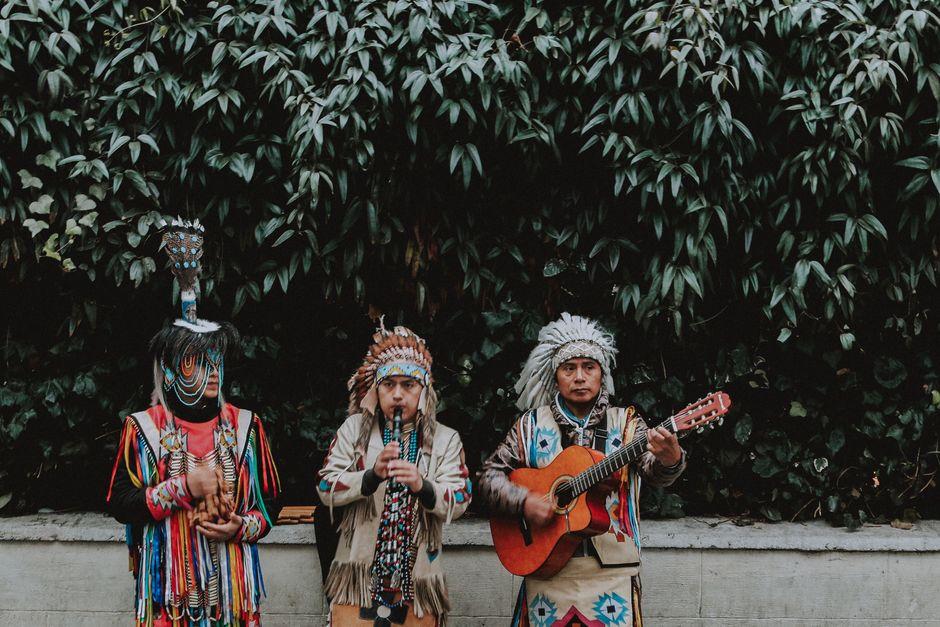
Native American folklore offers a profound connection to the land and a spiritual understanding of the world. Figures like Squanto, a historical Patuxet man who aided the Pilgrims, often appear in narratives, though his story, like many others, has been subject to simplification and mythologizing over time. Beyond historical figures, Native American traditions are rich with trickster animals such as Coyote and Raven, who, unlike European tricksters, often serve to teach moral lessons or explain natural phenomena rather than simply cause mischief. Their stories are deeply tied to specific landscapes and tribal histories, differing significantly from European-influenced tales in their emphasis on interconnectedness and respect for nature. Listening to these narratives in their original linguistic forms, or with careful, culturally sensitive adaptations, can be a powerful experience. We can learn more about this rich heritage by exploring “Uncovering the Mythology of Native American Culture” through academic resources.
African-American folklore emerged from the crucible of slavery and resistance, playing a crucial role in preserving cultural identity and providing solace. Characters like Br’er Rabbit are prime examples. Originating from West African trickster tales, Br’er Rabbit uses his wits and cunning to outsmart larger, more powerful adversaries like Br’er Fox and Br’er Bear. These stories, often compiled by figures like Joel Chandler Harris, provided a metaphorical framework for enslaved people to navigate oppression. Similarly, John Henry, the “steel-driving man,” is a legendary figure who embodies strength, determination, and the struggle against industrialization. His epic race against a steam-powered drilling machine, ending in his heroic death, is celebrated in numerous folk songs. Digital audio can capture the rhythm of his hammer and the soulful melodies of the spirituals and work songs that were vital to African-American cultural expression, including powerful “Songs of the Underground Railroad” and the “Black History of Sea Shanties.” These narratives are not just stories; they are acts of cultural survival and resilience. For those interested in delving into lesser-known tales and their significance, exploring folklore files of forgotten American legends and what they reveal about us can be enlightening.
Beyond these broad categories, numerous regional folk heroes reflect the unique characteristics of different parts of the country. From the lumberjacks of the North, like Tony Beaver with his griddle-skating antics, to the riverboat men on the Mississippi such as Mike Fink, known for his strength and practical jokes, and the cowboys of the West like Deadwood Dick or Bigfoot Wallace, a Texas Ranger famous for his frontier exploits. Each character is deeply embedded in the landscape and history of their specific region, offering a window into the local customs and challenges of their time.
Exploring Modern Mysteries and Alternate Folklore Through Sound
Folklore isn’t static; it evolves, adapts, and continues to grow, even in our modern, technologically advanced world. This includes not only the enduring appeal of mysterious creatures but also creative reinterpretations that push the boundaries of traditional storytelling.
The realm of supernatural and monstrous creatures remains a vibrant part of American folklore. Figures like Bigfoot, the elusive ape-like creature of the Pacific Northwest, continue to capture the imagination, with over 100 sightings reported yearly in North America. The Jersey Devil, a winged, horse-headed creature said to haunt the Pine Barrens of New Jersey, and Mothman, the ominous winged entity associated with Point Pleasant, West Virginia, are other examples of regional cryptids that thrive in local legends. Digital audio, with its capacity for unsettling soundscapes and atmospheric narration, is an ideal medium for exploring these eerie tales, enhancing the mystery and suspense that define them. Imagine the rustling leaves, the distant growl, or the flapping wings brought to life through immersive sound design. We can explore more about these mysterious creatures by delving into resources like “Bigfoot [a.k.a. Abominable Snowman of the Himalayas, Mapinguari (the Amazon), Sasquatch, Yowie (Australia) and Yeti (Asia)]” from reputable sources.
Beyond these traditional cryptids, a fascinating new branch of storytelling has emerged: Alternate American Folklore. This genre reinterprets historical figures and events through a lens of the anomalous and the hybrid, often with a darker, more fantastical twist. For instance, in some modern narratives, we encounter characters like the Ship Jester, a curious fusion of historical figures like York and Thomas Jefferson, reimagined as a monstrous entity, perhaps even a ‘Yorkverse’ Horned Serpent. Or consider Paper York, evolving from a historical figure into an anomalous “Special Tree” used in unexpected ways. The Minutefauna are another imaginative creation, depicting Floridian wildlife trained as Revolutionary War soldiers, adding a bizarre yet compelling layer to historical events. Even prominent figures like Andrew Jackson are re-envisioned as Andrew/Jackson, a literal half-horse, half-alligator hybrid, playing on historical nicknames as visual puns. Abraham Lincoln, too, is given a supernatural twist, with tales of him astral projecting via music, a practice he vows never to repeat after the horrors of Gettysburg. These creative expansions demonstrate that folklore is a living, breathing entity, constantly being reshaped by new generations of storytellers. Digital audio provides the perfect canvas for these complex, multi-layered narratives, allowing for intricate sound design to build these unique alternate realities.
Frequently Asked Questions About Digital Audio Storytelling
How does digital audio storytelling keep historical legends alive?
Digital audio storytelling leverages modern technology to archive, disseminate, and re-present historical legends in compelling new ways. By recording and preserving vocal performances, traditional music, and authentic soundscapes, it creates an enduring record of our folklore. Voice acting can infuse characters with personality and emotion, while rich sound design transports listeners directly into the narrative’s setting. This multi-sensory approach fosters a deeper emotional resonance than text alone, making ancient tales feel immediate and relevant to contemporary audiences. It ensures that the cultural wisdom and entertainment value of these stories continue to be passed down and appreciated across generations.
Why are traditional folklore characters so well-suited for digital audio storytelling?
Traditional folklore characters often originated in oral traditions, making them inherently well-suited for digital audio. Their stories were meant to be heard, not just read. Digital audio can capture the essence of these oral roots through skilled narration, allowing for varied character voices, dramatic pacing, and the integration of traditional songs or chants. This medium excels at creating imaginative soundscapes that allow listeners to visualize the fantastical elements of tall tales or the eerie atmosphere of supernatural legends. It encourages shared listening experiences, much like ancient campfire stories, fostering intergenerational connections and a collective appreciation for cultural narratives.
What role does sound design play in preserving cultural history?
Sound design is a critical element in preserving and enriching cultural history through digital audio storytelling. It goes beyond mere background noise, acting as a powerful tool for immersion and authenticity. By incorporating ambient sounds that reflect historical environments (e.g., the creak of a wagon, the clamor of a steel mill, the sounds of a specific ecosystem), or integrating historical music and traditional instruments, sound design can transport listeners to a specific time and place. This immersive learning experience fosters a deeper understanding and appreciation of the cultural context of a story. It allows for gentle reflection on the past, creating an authentic and memorable encounter with history that resonates long after the audio concludes.
Conclusion
Our journey through the vibrant world of American folklore characters reveals a rich legacy of human imagination, resilience, and shared experience. From the towering figures of Paul Bunyan and Pecos Bill to the cunning wit of Br’er Rabbit and the mysterious allure of Bigfoot, these stories are more than just entertainment; they are the narrative bedrock of our nation.
Digital audio storytelling stands as a powerful guardian of this heritage. By embracing the warmth of the human voice, the magic of sound design, and the accessibility of modern platforms, we can ensure that these tales continue to inspire, educate, and connect us. It offers a unifying hope that the gentle reflections of our past will illuminate our future, fostering a caring community that values its cultural legacy.
We invite you to explore the boundless possibilities of digital audio storytelling and discover how it can bring these timeless tales to life for you. If you’re a creator inspired to share your own stories or explore new narrative frontiers, we encourage you to visit our Creator Hub for resources and inspiration. Together, we can keep the spirit of American folklore alive, echoing through the digital soundscapes of tomorrow.