When a New Vehicle Keeps Returning to the Shop: A Repair-Record Guide
Key Takeaways
- Document every recurring problem, repair, and service visit.
- Record symptoms, mileage, downtime, and repair results.
- Review repair orders to ensure concerns are accurately documented.
- Check the VIN for open recalls and safety notices.
- Keep invoices, photos, videos, and communications organized.
- Stop driving if a serious safety issue develops.
- Review warranty and consumer-protection options if problems continue.
A new vehicle should not leave you guessing whether the same problem will return after every service visit. When warning lights, electrical issues, starting trouble, braking concerns, loss of power, or software glitches keep reappearing, organized records can help you understand what has happened and what still needs attention. Drivers dealing with repeated issues may also explore Cadillac defects and lemon law help when a repair history begins to show a continuing pattern. One visit to a repair facility can be routine. Several visits involving the same symptom, system, or safety concern deserve closer attention. The goal is not to diagnose the vehicle yourself. It is to create a clear, accurate record of what you experienced, what the facility documented, and whether each repair actually resolved the issue.
Why Repeated Repairs Matter
The number of repair visits matters, but it is not the only consideration. A vehicle may have a significant unresolved problem even if the paperwork uses different descriptions from one visit to the next. For example, a driver might first report intermittent stalling, then a check-engine light, and later a loss of acceleration. Those entries can relate to a single ongoing concern or to separate problems, so the complete record is important. Pay attention to safety risk, the length of each repair stay, recurring symptoms, and the days you could not reasonably use the vehicle. Replacing a part also does not necessarily prove that the underlying cause was fixed. The most useful question is simple: did the symptom stop under the conditions in which it originally occurred?
How to Spot a Repair Pattern
Repair records may use technical terms that differ from the words you used at check-in. Look beyond labels and compare the vehicle behavior, timing, warning messages, and systems involved. A pattern may be present when the repair facility changes its diagnosis, but the driver continues to experience a substantially similar issue.
Warning Signs to Watch For
- The same warning light returns shortly after service.
- Several visits involve the same system, such as steering, brakes, starting, charging, or engine performance.
- The issue happens during ordinary driving conditions.
- The facility cannot duplicate the concern, but the symptom continues.
- A component is replaced more than once.
- The vehicle remains unavailable for several days.
- The concern affects safe operation or dependable transportation.
What to Record After Every Service Visit
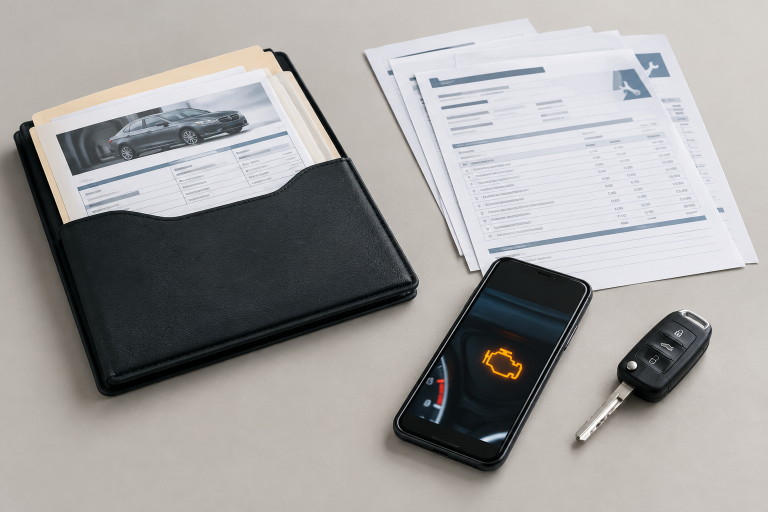
Save documents as soon as you receive them. A completed repair order typically identifies the reported condition, work performed, parts used, charges, and odometer readings. Keep paper copies in a folder and scan or photograph them for a digital backup.
- Repair orders, invoices, estimates, and warranty documents.
- Appointment confirmations, emails, text messages, and notes from phone calls.
- Photos or videos of warning lights, leaks, noises, or visible conditions when safe to capture.
- Towing, rental-car, rideshare, and other transportation receipts.
- The mileage, date, and number of days the vehicle was unavailable for every visit.
- Recall letters, service campaign notices, and any written instructions from the manufacturer.
How to Read Repair Orders Carefully
Review the repair order before leaving whenever possible. Confirm that the customer complaint clearly describes the issue. “Vehicle stalled twice after warming up at highway speed” is more useful than “car acting up.” Include details such as whether the engine was cold or warm, the approximate speed, weather, road conditions, dashboard messages, and how often the problem occurs. Separate the reported symptom from the technician’s findings and the completed repair. Ask for a correction if important information is missing or inaccurate. If the concern could not be duplicated, make sure the paperwork still states what you reported. Keep both the initial write-up and final invoice because each may contain different details.
How Recalls and Service Bulletins Fit In
A safety recall, warranty repair, technical service bulletin, and routine maintenance are different things. A recall concerns a safety-related defect or a failure to meet applicable safety standards. A warranty repair depends on the terms and limits of the applicable warranty. A technical service bulletin generally provides service information to technicians, while maintenance covers scheduled upkeep. Use the VIN recall search to check whether a specific vehicle has an unrepaired recall. The search can also provide information on general recall, complaints, investigations, and manufacturer communications. A result showing no unrepaired recall does not establish that the vehicle has no defect, and some manufacturer service campaigns may not appear in the VIN results.
What to Do When the Vehicle May Be Unsafe
Safety comes first. Do not keep driving merely to reproduce a serious symptom. If the vehicle stalls in traffic, loses steering response, shows a brake warning, overheats, produces smoke, or otherwise appears unsafe, move to a safe location if possible and use hazard lights. Arrange for roadside assistance or a tow when continued driving could create a danger. Record the mileage, location, warning message, and driving conditions after you are safe. Ask the repair facility to document the safety concern in specific language. Clear records can be especially important when the symptom is intermittent.
How to Communicate With the Repair Facility
Describe what happened rather than guessing what failed. Explain when the symptom started, how often it occurs, whether it happens after rain or on startup, and whether any warning lights appear. Ask what was tested, what repair was performed, and whether the vehicle was tested under conditions similar to those that caused the problem. After an important phone conversation, send a short email summarizing the date, the person you spoke with, and the next step discussed. This creates a contemporaneous record without turning every interaction into an argument.
How to Build a Clear Repair Timeline
Turn scattered documents into one chronological list. For each visit, record the exact date, mileage, your complaint, the facility’s diagnosis, the repair, the result, and downtime. If the symptom returned, note when and under what conditions. This format makes it easier to see repeated concerns and long gaps without the vehicle.
Common Record-Keeping Mistakes
- Throwing away repair orders or saving only final invoices.
- Relying on memory instead of noting dates and mileage.
- Using inconsistent descriptions for the same recurring symptom.
- Failing to count every day the vehicle remained at the shop.
- Saving photos without connecting them to the related service visit.
- Assuming a clean recall search means no problem exists.
When to Seek Additional Help
Further guidance may be useful when repairs continue without a lasting result, a serious safety concern remains, the facility fails to record the complaint, or transportation expenses continue to increase. Warranty rights and vehicle-protection laws vary by state, so the applicable rules depend on where the vehicle was purchased or registered. The Federal Trade Commission advises consumers to document transactions and experiences with dates, expenses, and the names of people involved. Its auto repair guidance also recommends obtaining completed repair orders and understanding warranty terms in writing.
Conclusion
Careful documentation turns a confusing repair history into a usable record. Save every repair document, describe symptoms consistently, track downtime, check for safety notices, and act promptly when a vehicle continues to show serious problems. A detailed timeline can help you communicate more clearly with the repair facility and assess the next appropriate step. Keep copies of repair orders, invoices, diagnostic reports, photographs, videos, warranty documents, and communications with the dealer or manufacturer. Note the vehicle’s mileage, when each symptom occurs, what conditions seem to trigger it, and what repairs or inspections were completed. These details can make it easier to identify recurring issues that may not be obvious from a single repair visit. Regularly reviewing the records can also help you understand what has already been attempted and avoid unnecessary repetition. With an organized history and a safety-focused approach, vehicle owners can make more informed decisions about additional repairs, inspections, warranty coverage, or other available options.