Smarter Maintenance with Advanced Vibration Insights
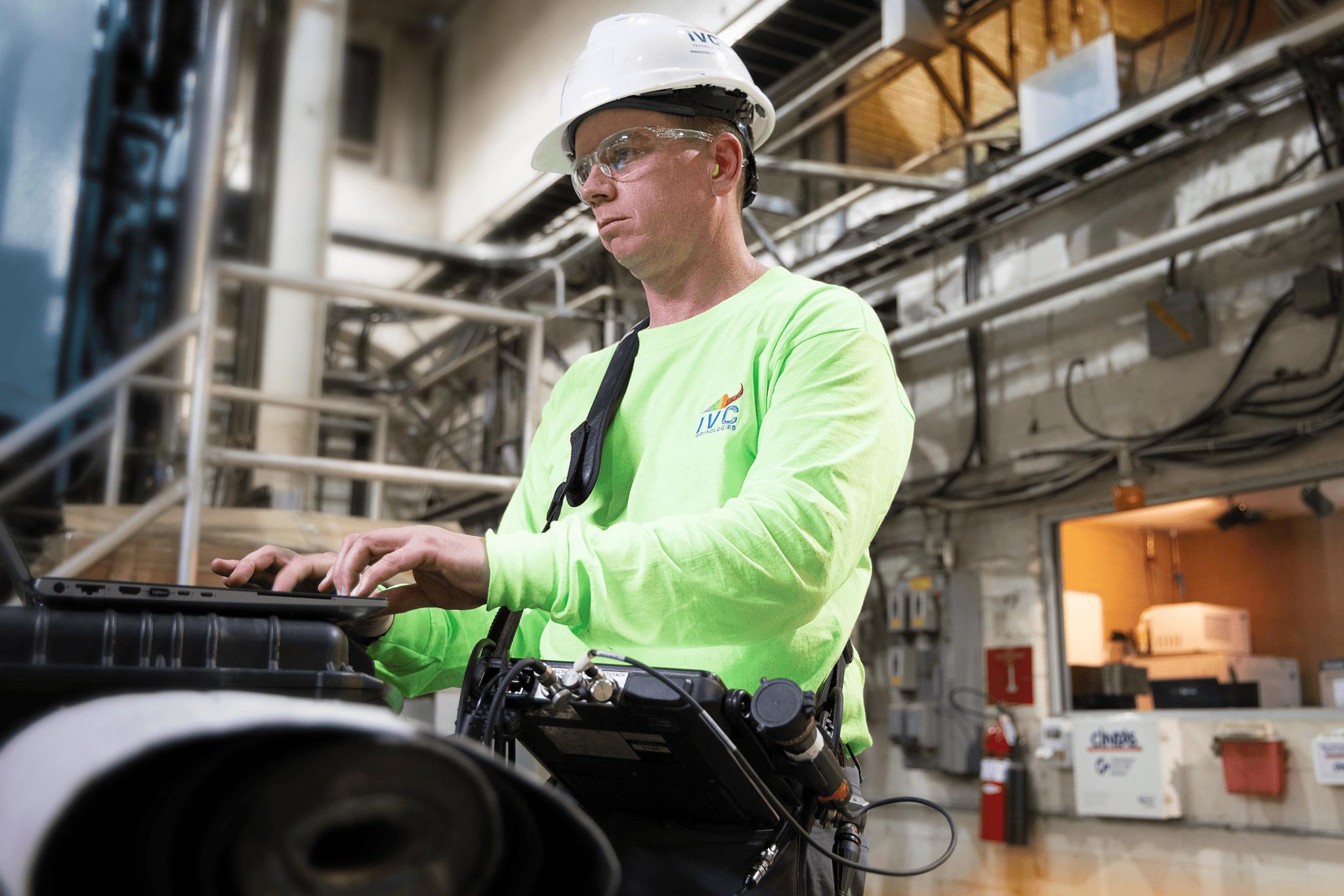
The current state of affairs within industrial activities is characterized by the need for reliability, accuracy, and constant performance among all the assets used in production processes. As technological advancements occur within the machines employed in industry, conventional methods for keeping such equipment in working order begin to fail. Vibration tracking has proven itself as a great means of understanding how a particular machine functions and helping to make well-founded decisions based on collected data. The information presented in this article will illustrate its practical use.
Early Fault Detection through Frequency Pattern Analysis
Among the many advantages of vibration monitoring is the capability of this tool to diagnose problems at an early stage. Each piece of machinery exhibits its own vibration profile, and deviations from standard levels may indicate some emerging problem. For instance, bearings, gears, and shafts display changes in amplitude and frequency once there starts to appear any wear-and-tear symptoms. Constant analysis allows for diagnosing various types of problems like imbalance, misalignment, looseness, or fatigue of the material, thus allowing the company to intervene at an early stage. This method allows not only for avoiding unnecessary repairs but also for increasing machine reliability.
Maximizing Equipment Uptime through Continuous Monitoring
Maintaining a smooth flow in operations is always an important factor in the context of a manufacturing plant, particularly when unexpected shutdowns are likely to cause heavy financial losses for the company. The vibration data provides an opportunity for constant monitoring of the operational process, thereby giving enough time to rectify problems that are likely to occur at a later stage. Organizations that prioritize condition-based strategies often choose to invest in the best vibration analysis services that integrate advanced sensors, automated alerts, and expert interpretation to keep assets running at peak efficiency. Over time, this approach strengthens system resilience and reduces disruption across production lines.
Predictive Maintenance and Data-Driven Scheduling
Predictive maintenance involves the use of vibration records from the past as well as present records to predict when equipment failures may occur. In predictive maintenance, there is no need for set periods to perform maintenance activities because it is based on the actual conditions of the machinery. Another advantage is that machine learning algorithms help in analyzing data in ways that humans would not be able to do easily. Through this technology, the analysis of trends like amplitude increase and harmonic distortion can be used to determine remaining useful life. The result is a maintenance strategy that adapts dynamically to operational demand rather than rigid time cycles.
Energy Efficiency and Mechanical Load Optimization
The study of vibrations also plays a crucial role in better management of energy since it helps identify inefficiencies in mechanical equipment. The presence of extra vibration is always an indicator that there are areas like friction, imbalance, or misalignment which are energy-consuming in order to maintain their operation. Once these problems are fixed, the machine will be running efficiently and consuming less energy. Studying the vibration pattern enables engineers to adjust the load on the various parts, such as motors and rotors, to minimize energy consumption. Efficient mechanical performance not only lowers operational costs but also reduces environmental impact, supporting broader sustainability goals within industrial operations.
Root Cause Identification and Equipment Lifespan Extension
Apart from early detection, the information gleaned from vibrations serves an extremely useful function in finding out what is causing problems with machinery. Rather than dealing only with the symptoms of failure, engineers can investigate the fault and identify its cause, such as resonance, poor installation, or continuous misalignment. Such knowledge leads to solutions that prevent the recurrence of the problem, thus reducing unnecessary wear on machines and increasing their longevity. On top of that, vibration history data allows one to make adjustments to future designs, which improves reliability down the line.
The application of advanced vibration analysis is crucial in contemporary maintenance approaches because it does more than just identify faults in machinery. It helps make predictions, optimize energy consumption, and even determine the real reasons behind machinery failure. In cases when companies implement these measures on a regular basis, they move from reactive maintenance towards effective asset management. Such an approach ensures smooth operation in which the risk of machine breakdown is reduced to a minimum.