How do garages become hidden entry points for cockroaches?
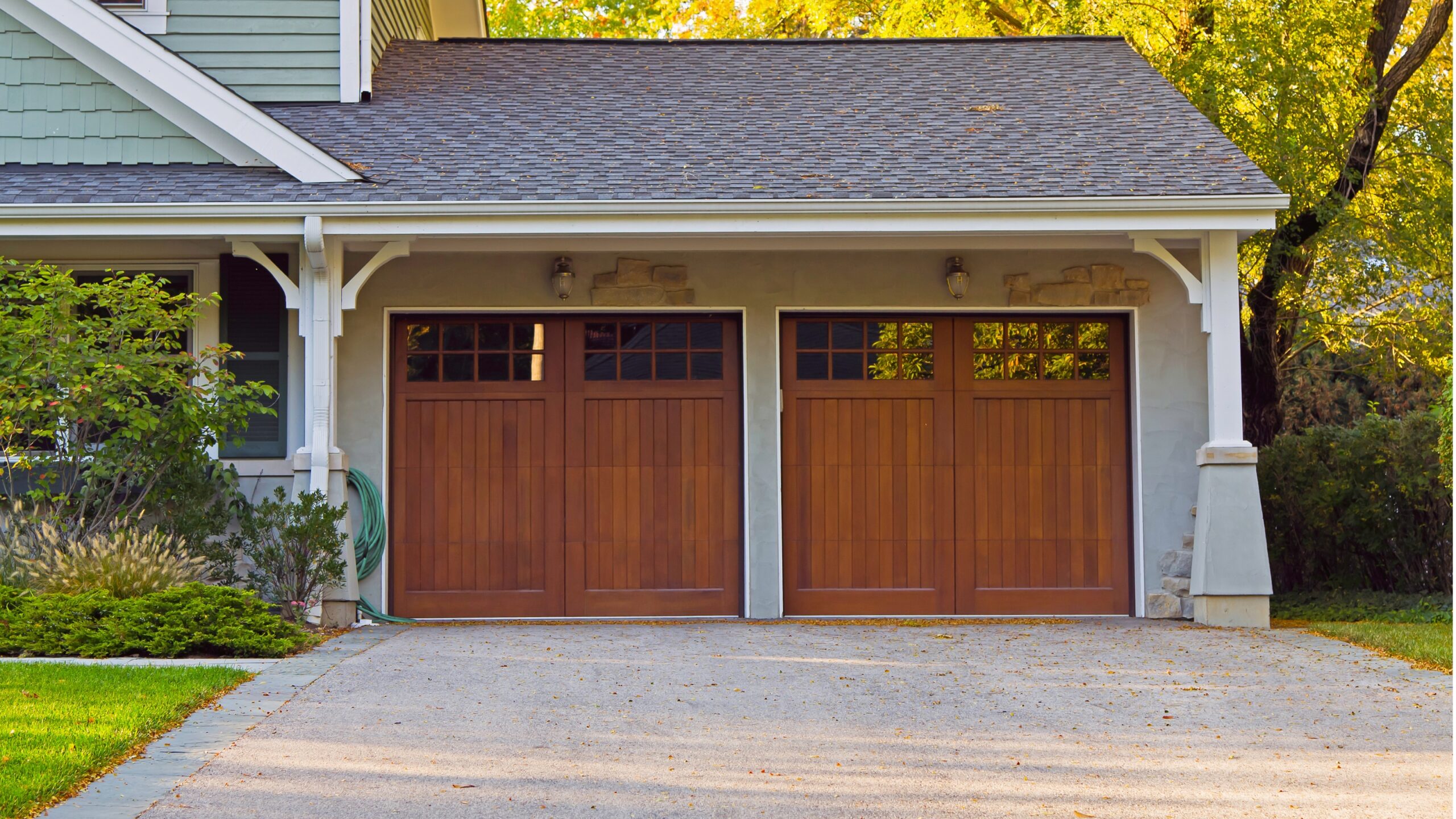
Garages are often overlooked when it comes to home pest prevention, yet they can serve as significant entry points for cockroaches. These spaces typically connect the outdoors to the interior of a home, providing easy access for pests seeking shelter, food, and moisture. The combination of clutter, infrequent cleaning, and structural gaps makes garages particularly attractive to cockroaches. Understanding how and why garages become such vulnerable areas is crucial for homeowners who want to maintain a pest-free environment. By identifying the factors that make garages susceptible, you can take proactive steps to protect your home from unwanted infestations.
Why garages attract cockroaches
Garages are uniquely positioned to attract cockroaches due to their structure and function. Unlike other parts of the home, garages often have direct access to the outdoors through large doors that may not seal tightly. Even small gaps or cracks around the garage door, windows, or foundation can provide ample space for cockroaches to squeeze through. The temperature inside a garage is usually more moderate than the outdoors, especially during extreme weather, making it an appealing refuge for pests. Additionally, garages are commonly used for storage, which means there are often cardboard boxes, paper, and other materials that cockroaches can use for shelter and nesting. The presence of stored food items, pet food, or even garbage bins further increases the likelihood of attracting cockroaches. Moisture is another key factor, as garages may have leaky pipes, water heaters, or condensation that create damp environments ideal for cockroach survival. All these elements combine to make garages a prime target for cockroach activity, often going unnoticed until an infestation has already taken hold.
Common garage vulnerabilities
One of the main reasons garages become hidden entry points for cockroaches is the variety of vulnerabilities present in their construction and use. The large, often poorly sealed garage door is a primary concern, as it can leave gaps along the sides and bottom where cockroaches can easily enter. Weather stripping may wear out over time, creating even larger openings. Cracks in the concrete floor or foundation, as well as gaps around utility lines and vents, provide additional access points. Windows in garages are sometimes left open or have damaged screens, further increasing the risk. The clutter that accumulates in garages, such as stacks of newspapers, cardboard, and unused items, offers perfect hiding spots for cockroaches to breed and remain undetected. Homeowners may not regularly inspect or clean these areas, allowing cockroach populations to grow unchecked. For those seeking cockroach control Overland Park, addressing these vulnerabilities is a critical first step in preventing infestations from spreading into the main living areas of the home.
How cockroaches exploit garage conditions
Cockroaches are highly adaptable insects that thrive in environments where they can find food, water, and shelter. Garages often provide all three in abundance. The presence of stored pet food, birdseed, or even crumbs from snacks can serve as a food source for cockroaches. Water heaters, washing machines, and plumbing in garages can create small leaks or condensation, supplying the moisture cockroaches need to survive. The clutter and darkness of a typical garage offer ideal hiding places, allowing cockroaches to remain undisturbed during the day and become active at night. Because garages are not typically part of a homeowner’s regular cleaning routine, debris and spills may go unnoticed, further encouraging cockroach activity. Once established in the garage, cockroaches can easily migrate into the home through connecting doors, especially if those doors are not tightly sealed. This movement is often facilitated by the fact that garages are used frequently, with doors opening and closing multiple times a day, providing repeated opportunities for cockroaches to move freely between the garage and the interior of the house.
Signs of cockroach activity in garages
Detecting cockroach activity in garages can be challenging, as these pests are nocturnal and prefer to stay hidden during daylight hours. However, there are several signs that may indicate their presence. Homeowners might notice droppings that resemble small, dark specks or smears along baseboards, in corners, or near stored items. Shed skins and egg cases can also be found in undisturbed areas, such as behind boxes or appliances. A musty or oily odor may develop in areas with significant cockroach populations. Sightings of live cockroaches, especially during the day, often signal a large infestation. Because garages are not as frequently used or cleaned as other parts of the home, these signs can go unnoticed for extended periods, allowing the infestation to worsen. Regular inspections and prompt attention to any evidence of cockroach activity are essential for early detection and effective management.
Preventing cockroach entry through garages
Preventing cockroaches from entering through garages requires a combination of maintenance, cleanliness, and vigilance. Sealing all potential entry points is crucial, including repairing or replacing weather stripping around garage doors, filling cracks in the foundation, and ensuring windows and vents are properly screened. Reducing clutter and storing items in sealed plastic containers can eliminate hiding places and make the environment less attractive to cockroaches. Addressing sources of moisture, such as fixing leaks and using dehumidifiers, can further deter these pests. Regular cleaning, including sweeping floors and removing food debris, helps to eliminate food sources. Homeowners should also inspect the connecting door between the garage and the house, ensuring it is well-sealed and kept closed whenever possible. By taking these proactive steps, the risk of cockroach infestations originating in the garage can be significantly reduced, protecting the entire home from unwanted pests.
Quick tips for garage maintenance
Keeping a garage clean and well-maintained is essential for minimizing the risk of cockroach infestations. Simple actions like sweeping regularly, promptly addressing spills, and organizing stored items can make a significant difference. Ensuring that all food, including pet food, is stored in airtight containers and that garbage is removed frequently will help eliminate attractants. Regularly checking for and repairing any structural gaps or leaks will further reduce the chances of cockroaches finding entry points or suitable habitats within the garage.
Conclusion
Garages are often overlooked as potential entry points for cockroaches, yet their unique combination of structural vulnerabilities, clutter, and access to food and moisture make them a prime target for these persistent pests. By understanding the specific factors that attract cockroaches to garages and the ways in which they exploit these conditions, homeowners can take meaningful steps to protect their homes. Regular maintenance, thorough cleaning, and prompt attention to any signs of cockroach activity are essential for keeping garages—and the rest of the house—free from infestations. Taking these preventative measures not only helps maintain a healthier living environment but also reduces the stress and inconvenience associated with dealing with unwanted pests.