How Interior Boning Enhances the Silhouette of Vintage Cottagecore Dresses
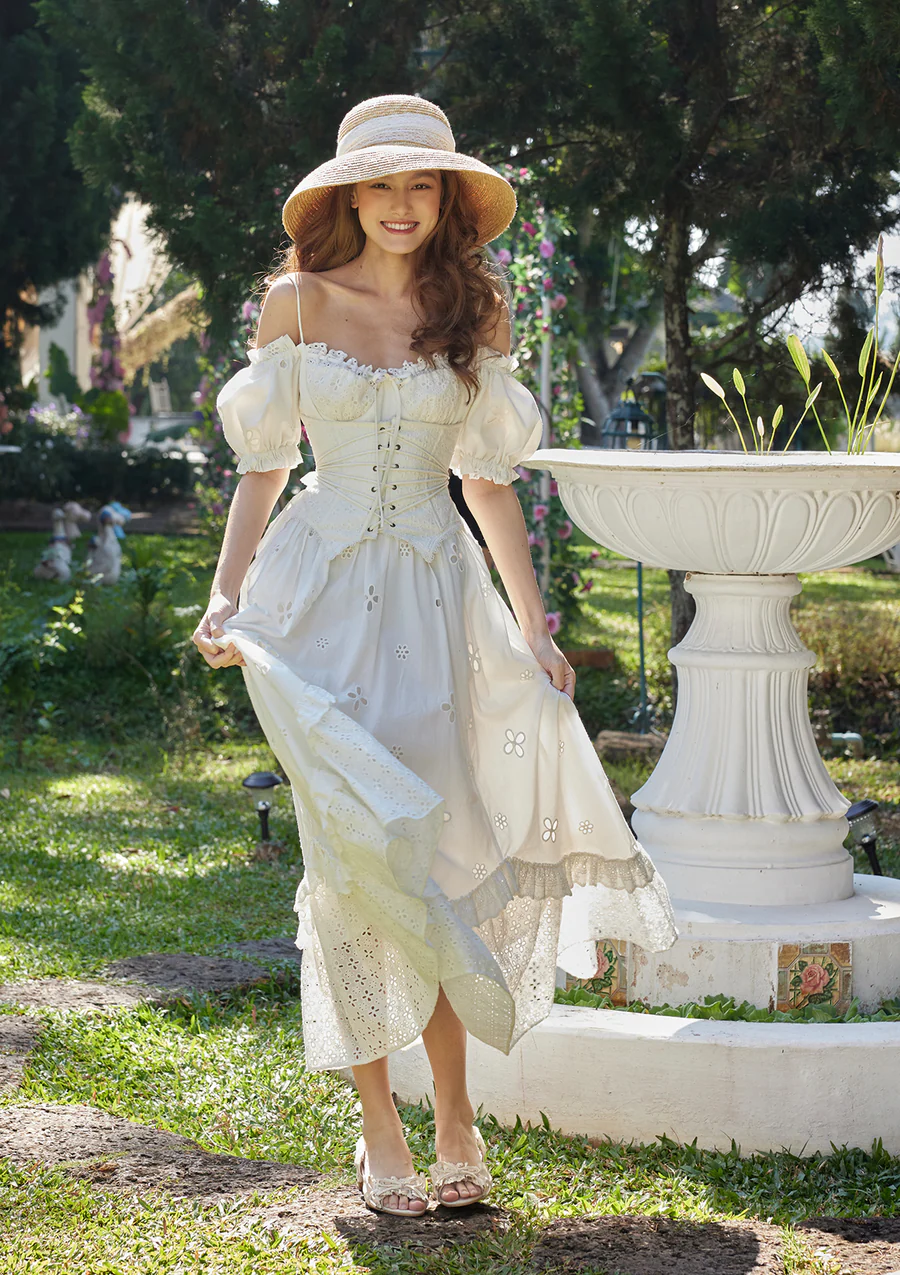
In recent years, vintage cottagecore dresses have gained attention for their balance of nostalgic aesthetics and practical garment construction. Inspired by rural fashion traditions, these dresses often feature flowing skirts, embroidery, lace, and structured bodices. Among the many design elements that contribute to their appearance, interior boning plays a particularly important role. Rather than serving as decoration alone, boning helps shape the garment, improve fit, and support the overall silhouette.
The “I Flipped” White Cottagecore Dress by LaceMade demonstrates how thoughtful construction can strengthen the visual effect of a dress without sacrificing softness. Inspired by pastoral romance, the design combines delicate eyelet embroidery with a corset-inspired structure that subtly refines the waistline while maintaining the gentle character associated with vintage cottagecore dresses.
The Structural Function of Interior Boning
Interior boning is commonly sewn into the bodice of a dress to provide controlled support. Historically, boning was used in corsetry to maintain shape and posture. In modern vintage cottagecore dresses, however, the technique is adapted to create a more wearable and flexible silhouette.
Boning distributes tension evenly across the bodice, helping the fabric remain smooth and structured throughout movement. This prevents excessive wrinkling and allows the dress to maintain its intended outline. In garments with lightweight fabrics or embroidery, interior support becomes especially important because it prevents distortion around the waist and bust areas.
In the “I Flipped” White Cottagecore Dress, the corset structure introduces subtle shaping rather than rigid compression. This approach reflects a contemporary interpretation of historical countryside fashion, where comfort and elegance coexist.
Enhancing Silhouette Without Excessive Volume
One reason vintage cottagecore dresses remain popular is their ability to create a refined silhouette without relying on dramatic tailoring. Interior boning contributes to this effect by defining the upper body while allowing skirts and sleeves to remain soft and flowing.
A structured bodice visually balances fuller skirts, creating proportion throughout the garment. This balance is particularly effective in maxi dresses inspired by vintage rural styles. Boning also helps preserve neckline positioning and shoulder alignment, ensuring that lace, embroidery, and eyelet details remain properly displayed.
Designers increasingly use flexible boning materials to achieve support without restricting natural movement. As a result, modern vintage cottagecore dresses can retain historical influence while adapting to contemporary expectations for comfort and practicality.
Why Careful Construction Defines Lasting Cottagecore Style
The enduring appeal of vintage cottagecore dresses is closely connected to thoughtful garment engineering. While decorative details often attract initial attention, interior construction determines how a dress fits, moves, and maintains its silhouette over time. Features such as interior boning provide discreet support that enhances both appearance and wearability.
By combining pastoral aesthetics with structured craftsmanship, dresses like the “I Flipped” White Cottagecore Dress illustrate how traditional inspiration can be translated into modern fashion design with precision and restraint.