The Difference Between 304 and 316L: A Manufacturer’s Material Comparison
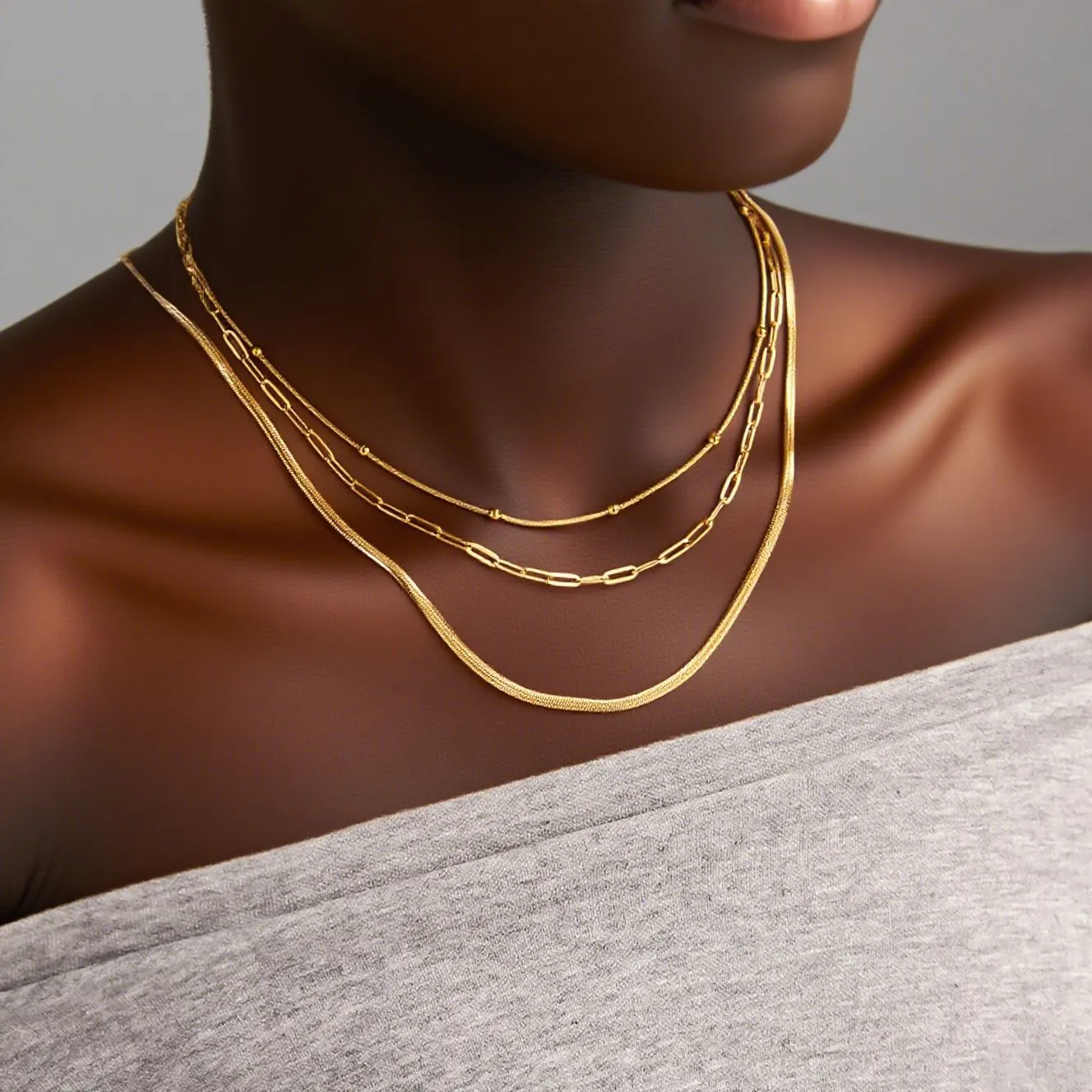
Technical specifications in the jewelry industry often center on the specific grade of stainless steel used, as the chemical composition dictates the longevity of the final product. Star Harvest frequently consults with brands that must decide between the standard 304 grade and the more resilient 316L surgical steel. While 304 is a versatile material used across many industrial applications, 316L contains an addition of molybdenum, which significantly enhances its ability to resist chloride-induced corrosion. This distinction is vital for businesses that export to humid or coastal regions, where salt air can rapidly degrade lower-quality metals. By prioritizing a superior base metal, companies ensure that their jewelry maintains its structural integrity and skin-safe properties long after it leaves the production line.
Chemical Stability and Skin Safety
Surgical-grade 316L steel is the preferred choice for high-end collections because it is virtually unreactive when in contact with human skin. Many gold plated jewelry manufacturers avoid 304 for premium lines because the lower nickel and molybdenum content can, in rare cases, allow for microscopic oxidation that irritates sensitive skin. The extra stability of 316L provides a hypoallergenic foundation that is essential for earrings and necklaces that stay in constant contact with the wearer. This commitment to material purity is a core part of a factory’s quality systems, ensuring that every batch of raw material is tested for its specific chemical signature before the fabrication process begins.
Plating Durability and Surface Preparation
Applying a gold finish to stainless steel requires a sophisticated vacuum environment where the metal surface must be perfectly prepped. When custom gold plated jewelry is produced using 316L, the surface density of the steel allows for a much smoother mechanical polish. This smoothness is critical because any microscopic burrs or pits on the base metal will be magnified once the gold layer is applied. Because 316L is more resistant to the acidic cleaning agents used in pre-plating, the metal remains pristine, allowing the gold ions to bond more securely. This results in a finished piece that resists the wear and tear of daily life without the gold layer rubbing off prematurely.
Scaling Quality and Production Capacity
Managing a large inventory requires a partner that can maintain strict tolerances across a high production capacity. High-volume gold plated jewelry manufacturers utilize automated CNC machinery that is specifically calibrated for the hardness of 316L steel. While 304 is easier to machine, the long-term value of 316L justifies the more intensive manufacturing requirements. Professional facilities offer extensive customization options, allowing clients to specify different plating thicknesses and tones, all while utilizing a unified quality control protocol. This systematic approach ensures that whether a brand orders five hundred units or fifty thousand, the physical dimensions and plating quality remain identical across the entire shipment.
Deciding on the correct material is a strategic move that affects a brand’s reputation and its bottom line. While 304 steel might seem like a cost-effective alternative, the hidden costs of tarnishing and potential skin reactions can damage a company’s standing in a competitive market. Investing in 316L is an investment in consumer trust and product longevity. For those looking to refine their supply chain, the expertise found at specialized facilities ensures that every component is built to survive the rigors of the modern world. Through meticulous material selection and advanced finishing techniques, Star Harvest continues to provide the technical foundation necessary for jewelry brands to thrive on a global scale.